







Every hunt starts somewhere small. This one started with a mercenary company nobody outside a handful of contracts had ever heard of, and it didn't end until six of them stood atop a tower that shouldn't have existed, watching a fallen god flee across an ocean none of them had known was there.
The Band Assembled
Long before the Band of the Wolf became a byword for standing between Eucos and disaster, its founding members were simply looking for coin.
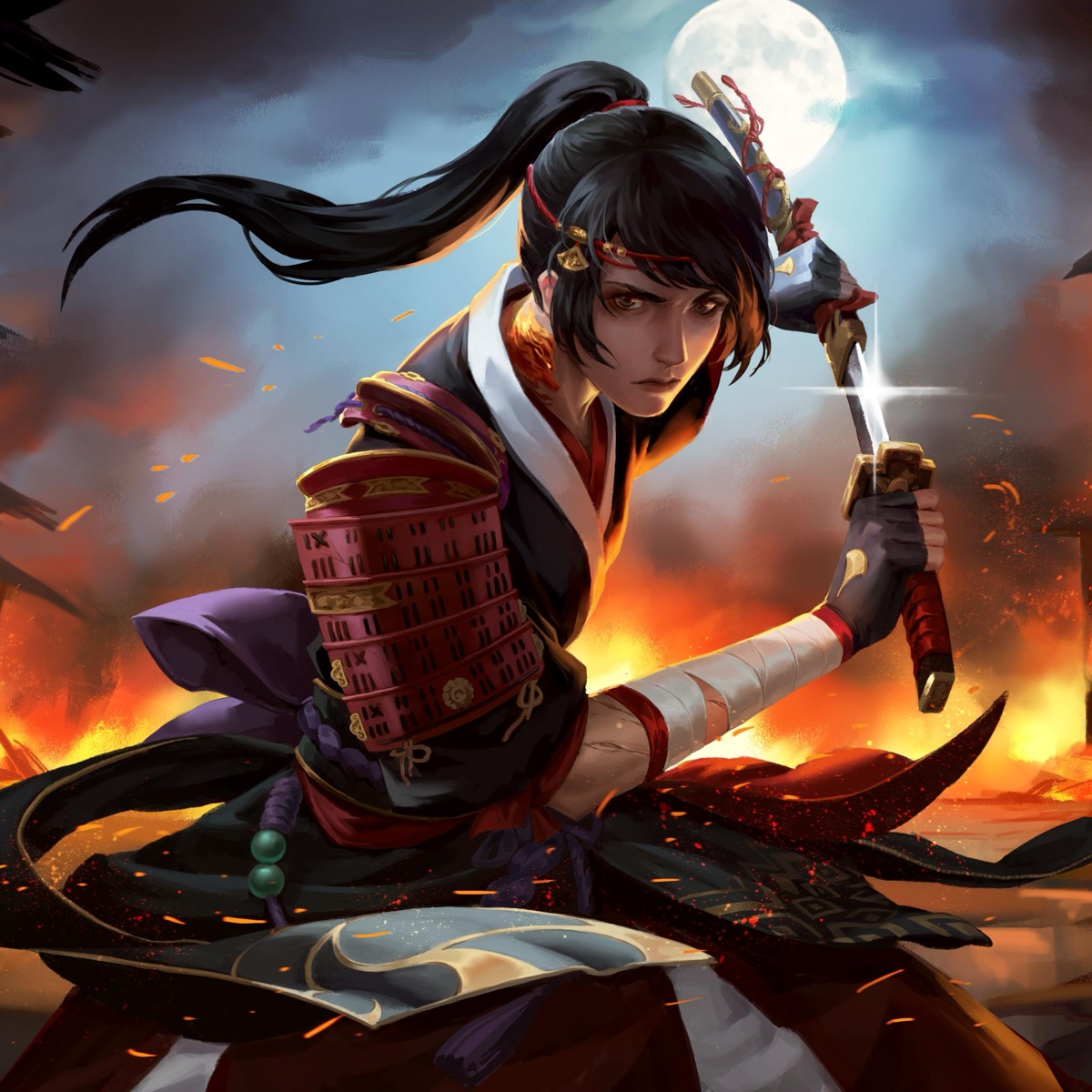
Eiko started with less than most. Orphaned young in a raid on the coastal hamlet of Tidomon, she carried the burns down her neck the rest of her life — old scars she chose, eventually, to cover in ink rather than hide. She grew into a drifter with a blade and no particular cause, until a veteran mercenary named Reios watched her fight and decided she was worth training.
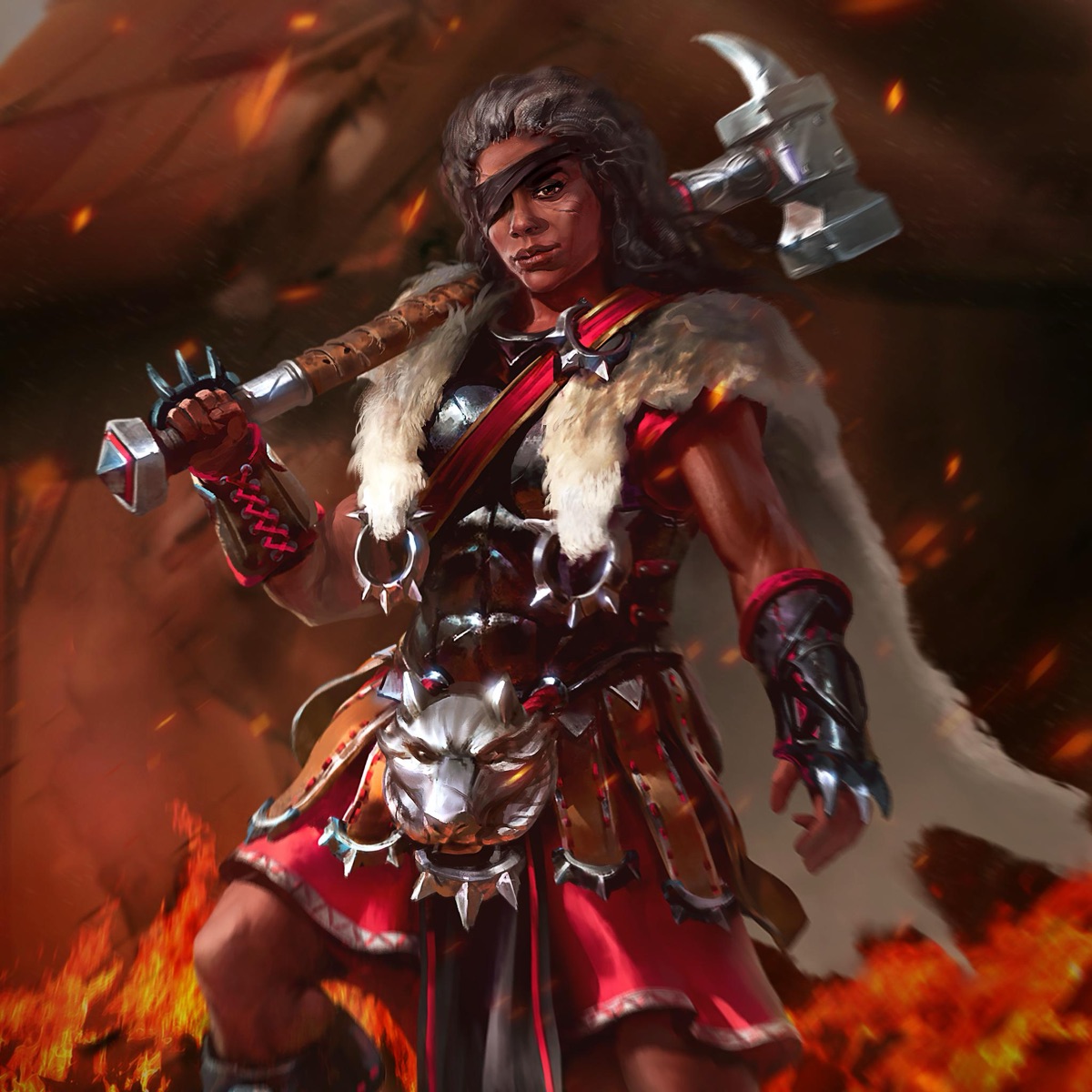
Reios had her own reasons for building a band rather than joining one. A devoted follower of Auros who never stopped asking why they fought, she wanted power built on her own terms, answering to no banner but her own. In Eiko, she saw an echo of herself — and made room.
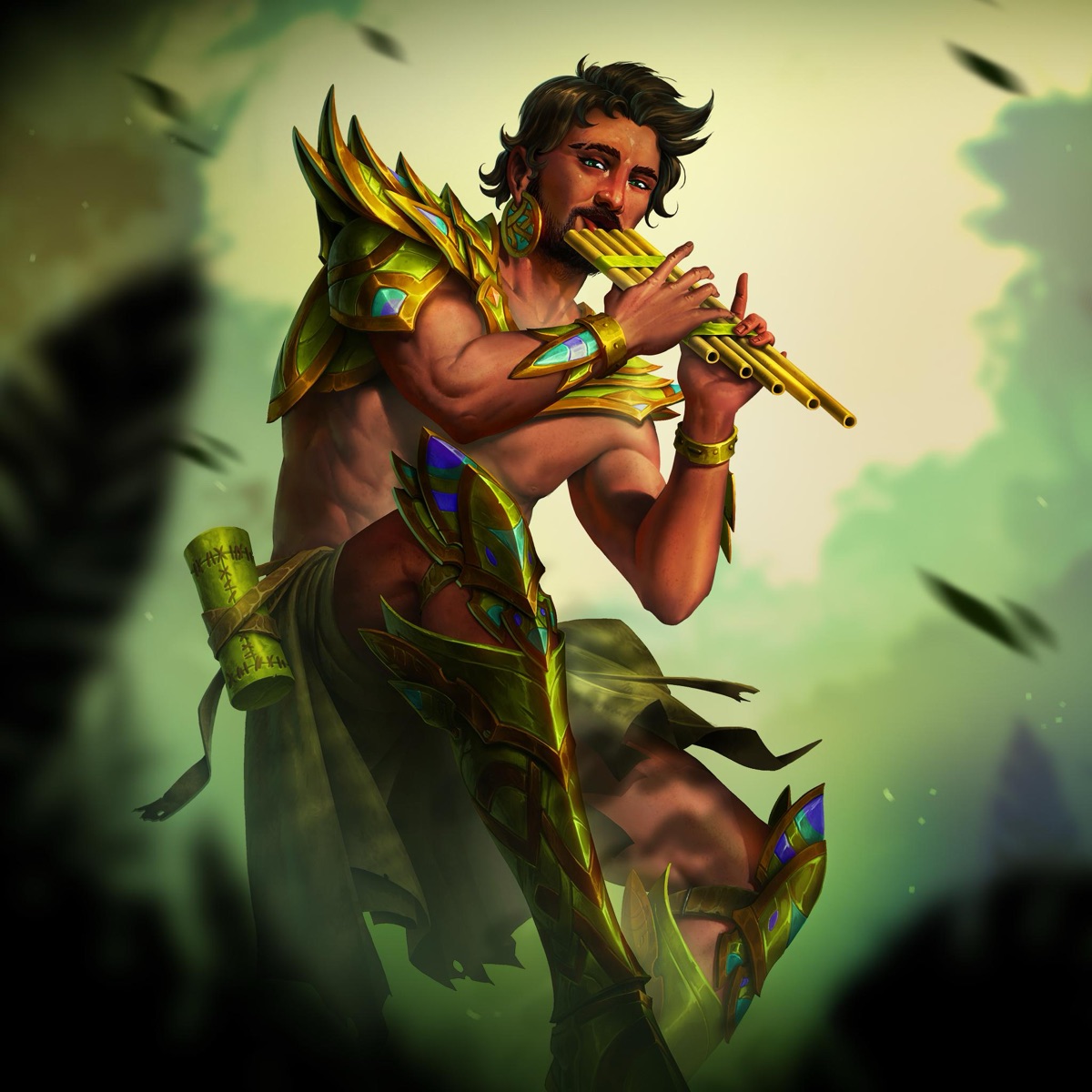
Around them, a stranger crew assembled one contract at a time. Divya, an Amazon who'd outgrown a life built on quiet conservation, had set out expecting to charm royalty with his songs and win battles with his charisma. Neither happened. He took to mercenary work instead — better pay, better audience — and on one job rescued a Fae sprite named Gabrielle, who insisted she hadn't needed saving and then never quite left his side. The two have been trying to out-do each other ever since.
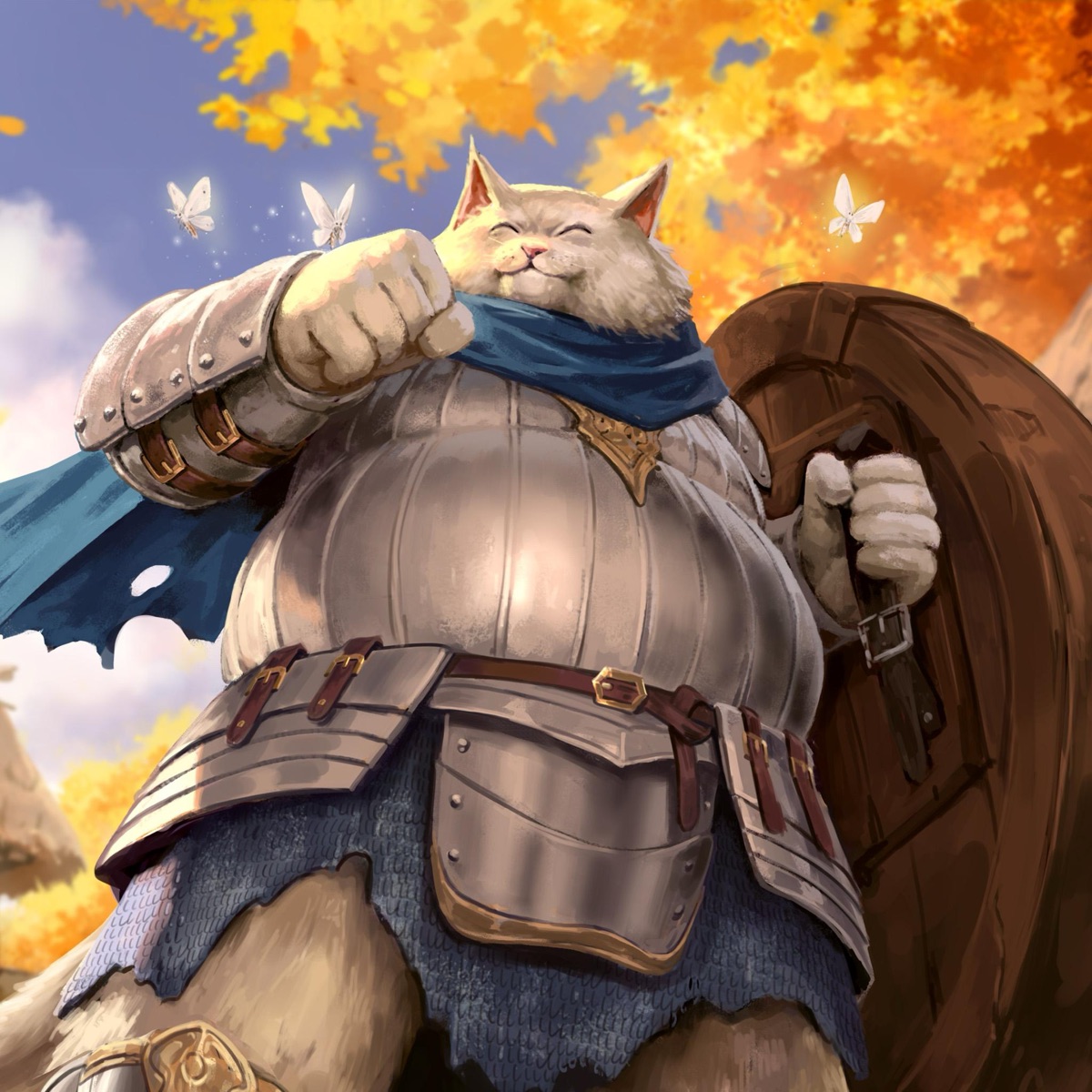
Argus joined for different reasons entirely. Born the runt of a Felid litter, he was never built to be a hunter — a childhood spent defending insects from crueler animals left him with a permanent conviction that something has to protect the things that can't protect themselves. He carries a shield made from an old barrel lid and has never seen a reason to replace it. In Chira, dead once already and changed by it, he found someone worth that conviction.
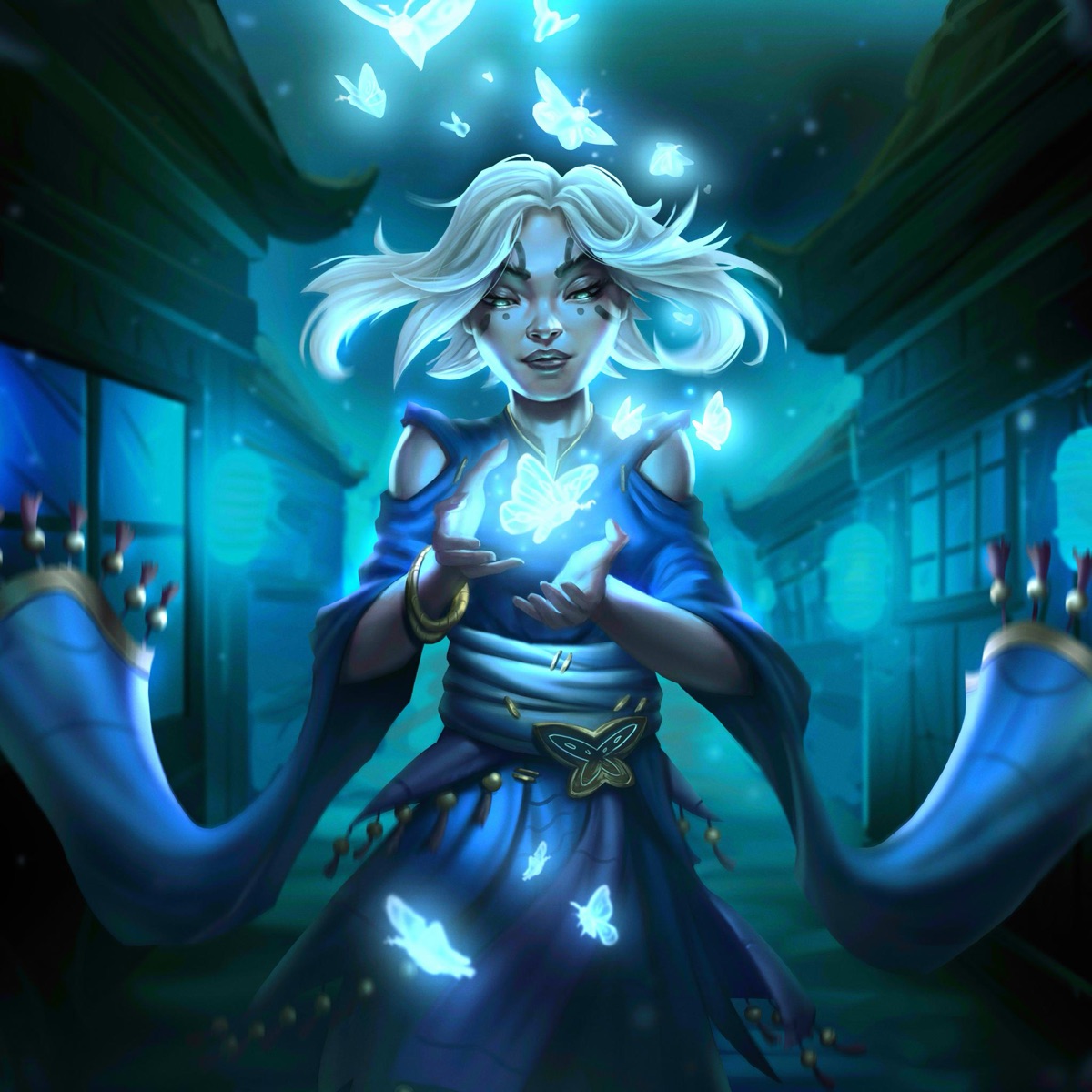
Chira herself died at ten years old, in a field of moths, and came back white-haired and different. She's died and returned more than once since, and each time is a real risk — but she's stopped treating it as an ending. To her, death is closer to a cocoon: something you go into changed and come out of, if you're fortunate, more yourself than before. It's made her the Band's sharpest strategist, someone who thinks several moves further ahead than anyone particularly enjoys.
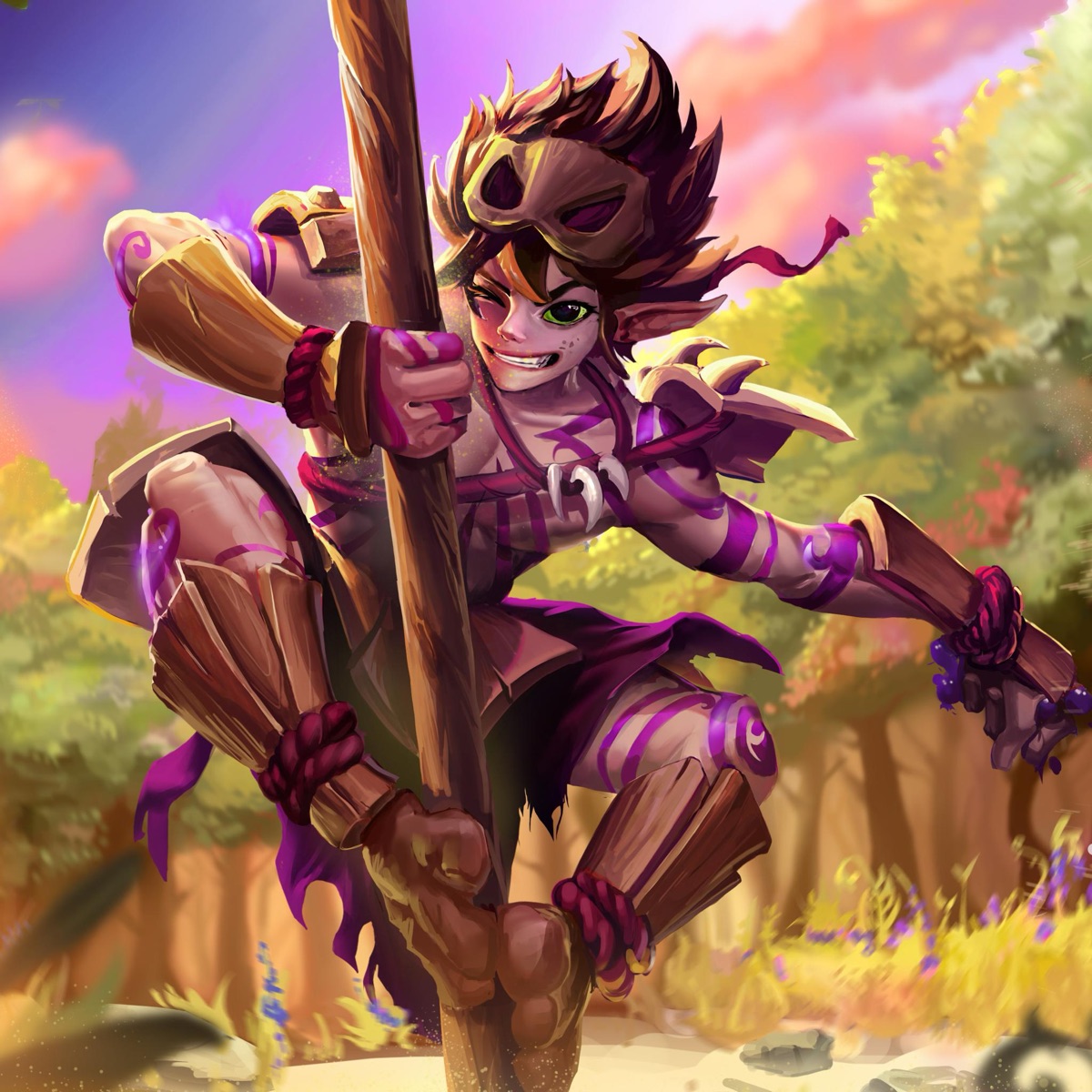
Gama came for the berries. A wandering trickster of the Nether with a fondness for the gonchberries that grow wild around Raneko village, he joined the Band the day those berries were threatened — and stayed once he realized the company suited him.
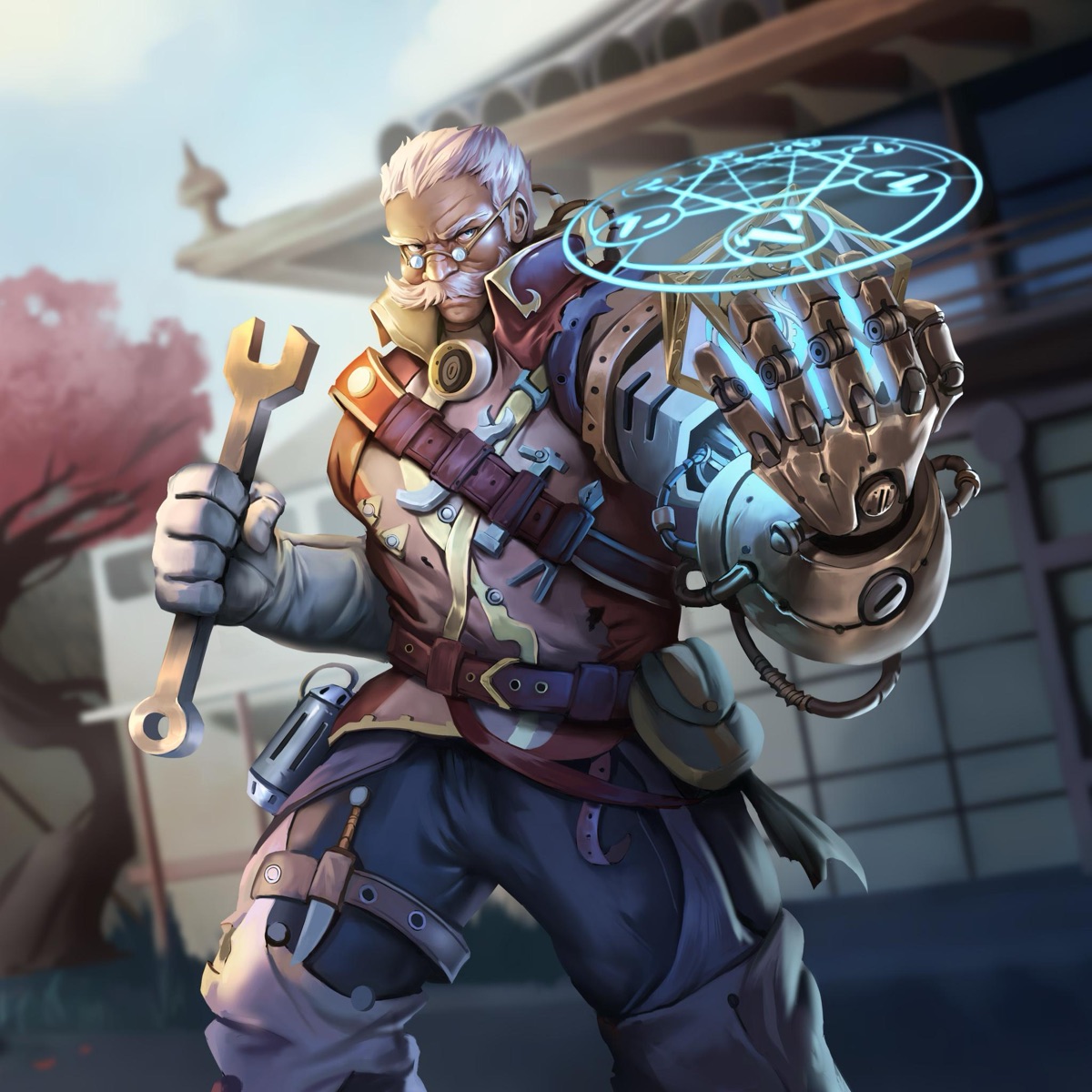
And behind all of them stood Giramonte — inventor, tinkerer, the Band's quiet architect of contraptions no one else could explain. He built things that shouldn't have worked and made them work anyway. It's a habit that would matter more than anyone expected, sooner than anyone hoped.
The Man in the Lion Armor
The debt came due at Raneko.
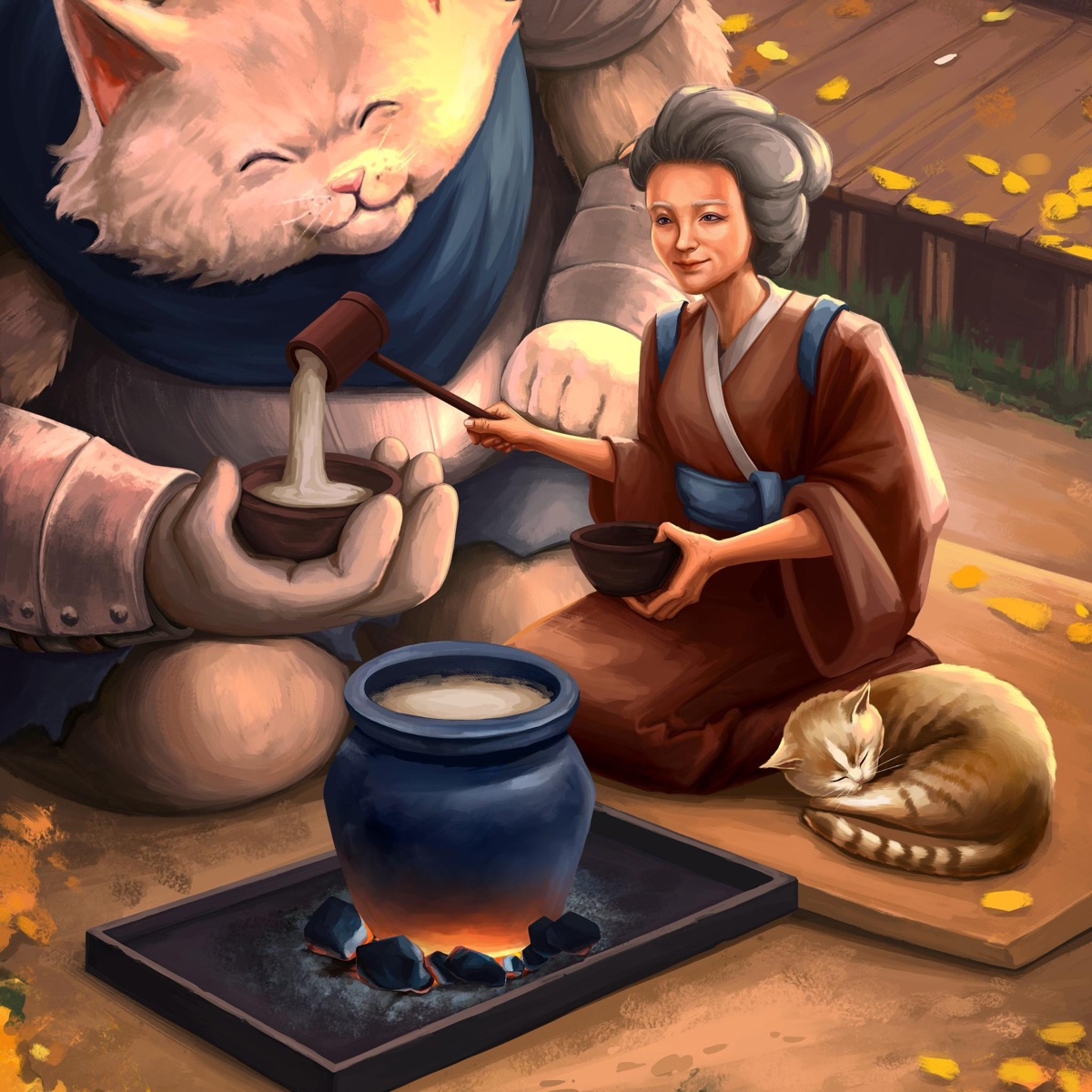
The village had stood quietly for generations, tending an old shrine and keeping half-remembered customs that most of Eucos had forgotten to ask about. Its Elder, Strix, spoke mostly in riddles — talk of lands across the sea, of a sacrifice made long ago for Eucos's sake, of a gift that had to be protected. Nobody outside Raneko paid it much attention. That changed the day the Cult of Order arrived at its gates.
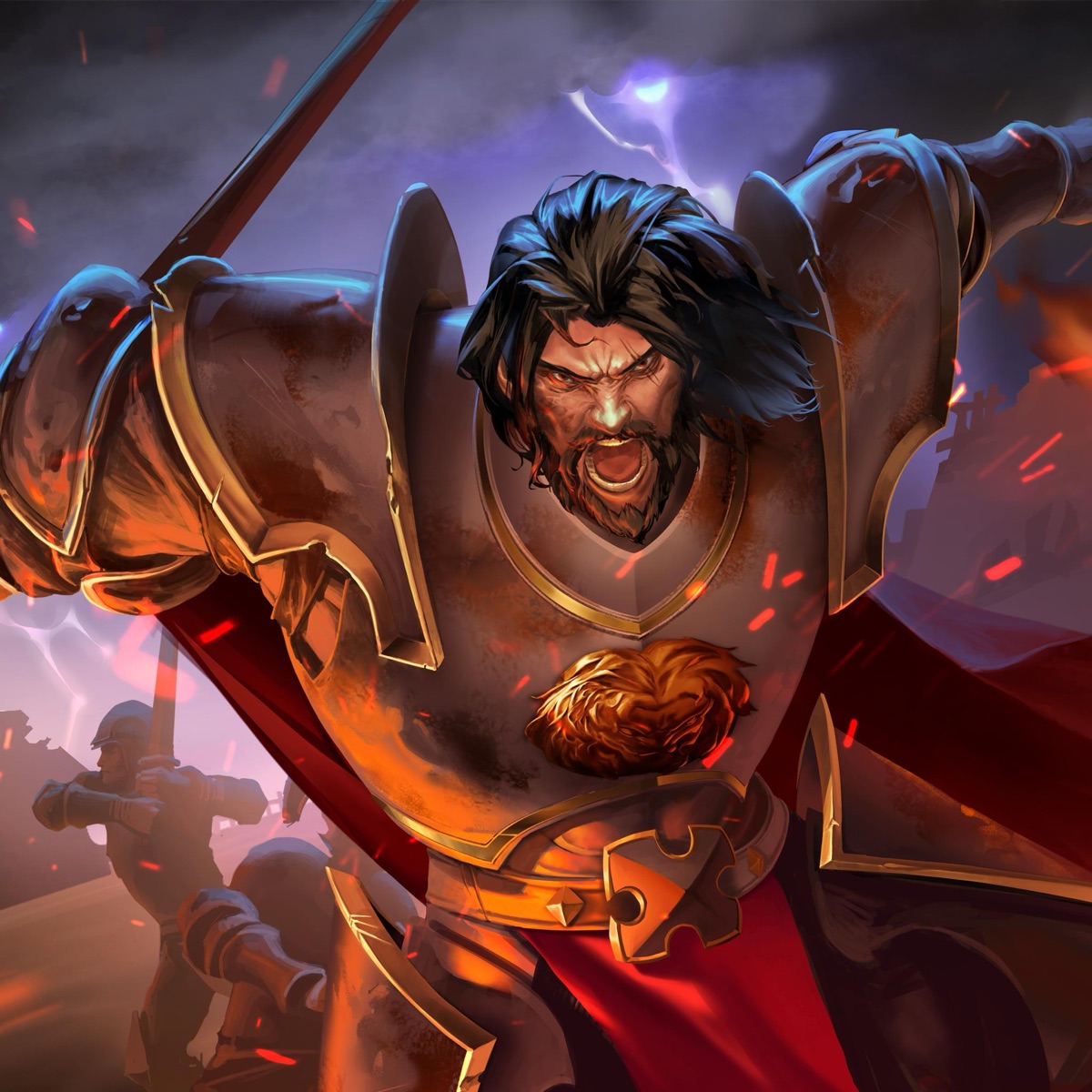
Their commander called himself Hortuk, and he wore a suit of lion armor taken, years before, from an Olympian general he'd defeated. His own history was stranger than his reputation: born in Olympia, captured young by raiders, raised in their camps until their ways became his own. By the time he led men against Raneko — the same raid, it would turn out, that had orphaned Eiko in Tidomon — he had stopped believing in the ideology he was fighting for. Thaeriel's cause wasn't a faith to him. It was a job, and he was very good at it.
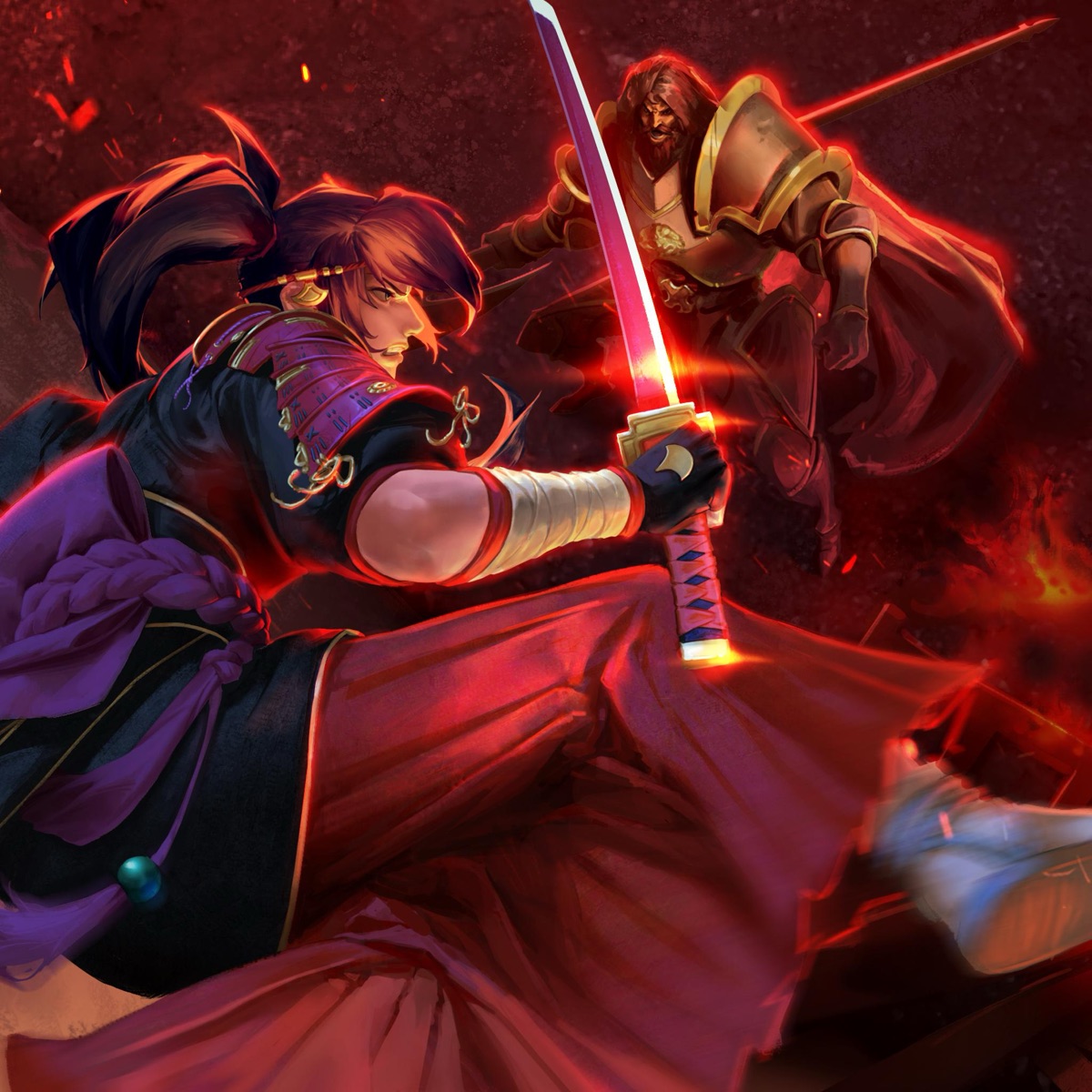
The Band arrived to defend the village, and it was Eiko who ended up facing Hortuk directly — the duel, in a sense, she'd been training for since she was a child with nothing left to lose. It went badly before it went well. A miscalculated parry forced her into a corner with nowhere left to retreat, and she found herself reaching for everything she had: her mother's rage, Reios's quiet respect, her own stubborn pride. It was enough. Hortuk's halberd broke in her hands, and he fled the field mortally wounded, disappearing before anyone could finish what she'd started.
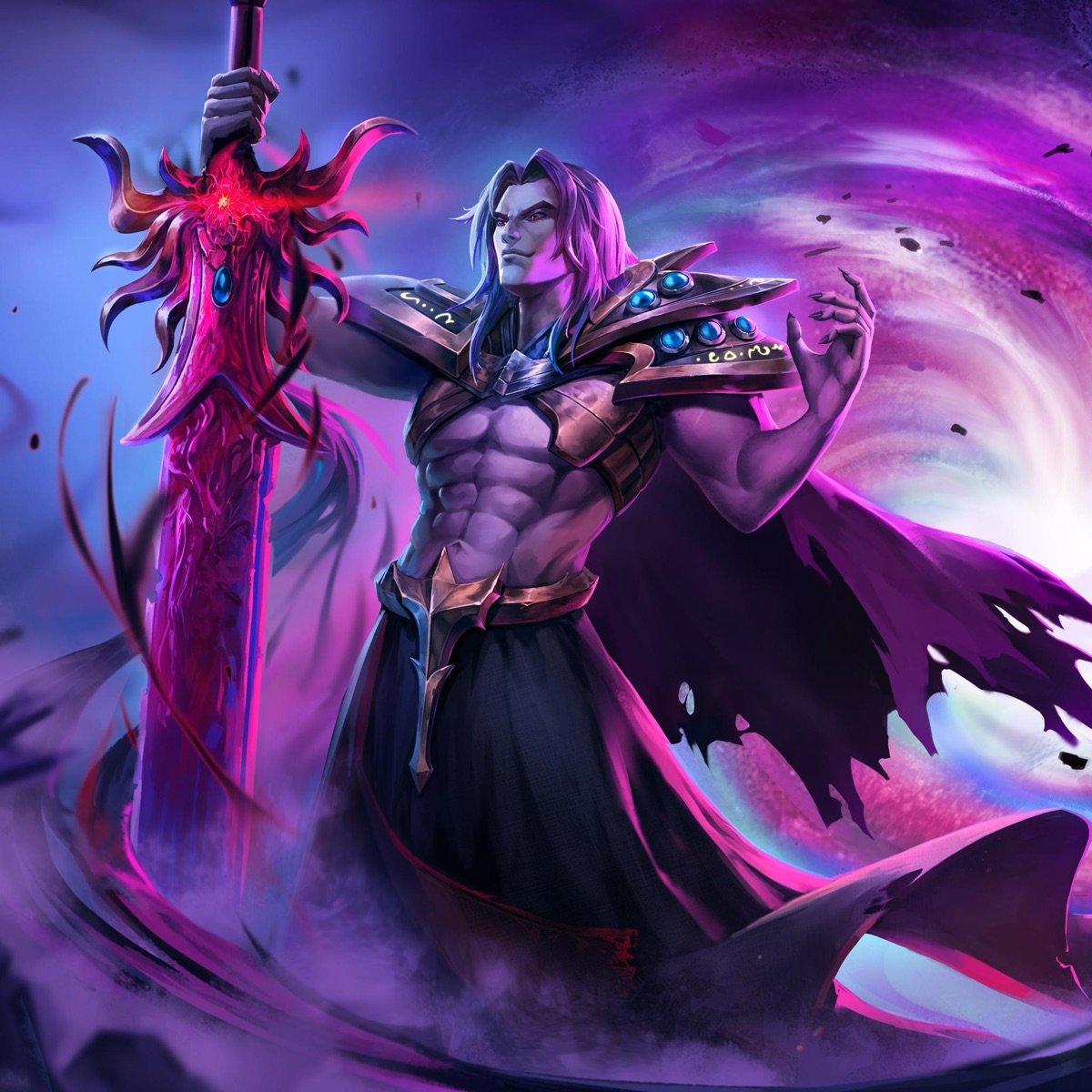
While Eiko fought at the gates, Reios had already gone looking for the reason Hortuk was really there. She found Thaeriel at Raneko's old shrine — the very thing Strix had spent years speaking around in riddles — with his own sword already plunged into the stone. He was drawing on something ancient and enormous: the leylines that run beneath Eucos itself, channeled up through the shrine and into the blade until it stopped being a sword and became something else entirely. The Blade of the Creator, capable of harnessing and refracting more power than any weapon should hold.
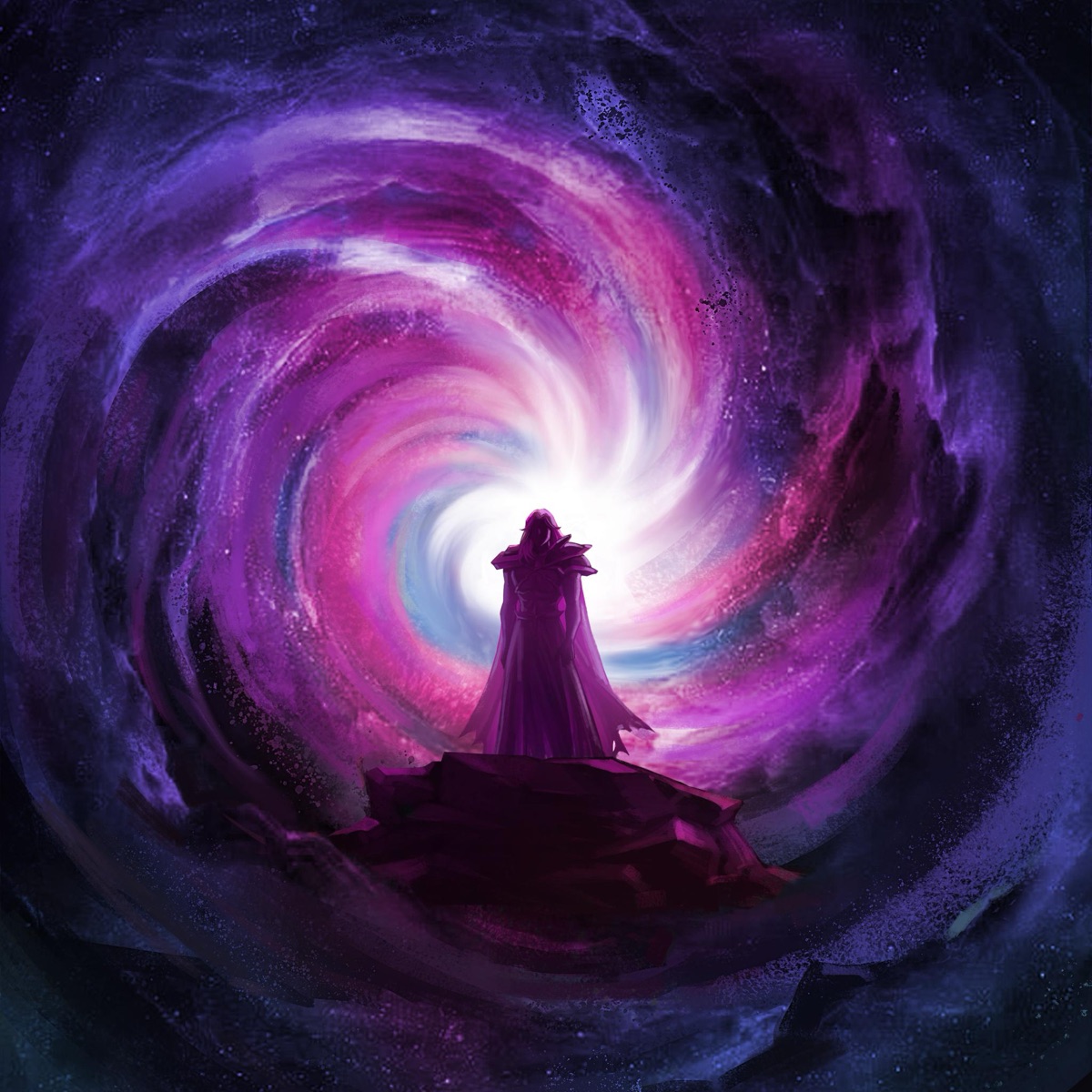
Reios didn't hesitate. She tackled him through the portal that opened in the shrine's wake, and both of them vanished — leaving no trail, no word, nothing but the Band standing in the wreckage of a battle they'd mostly won.
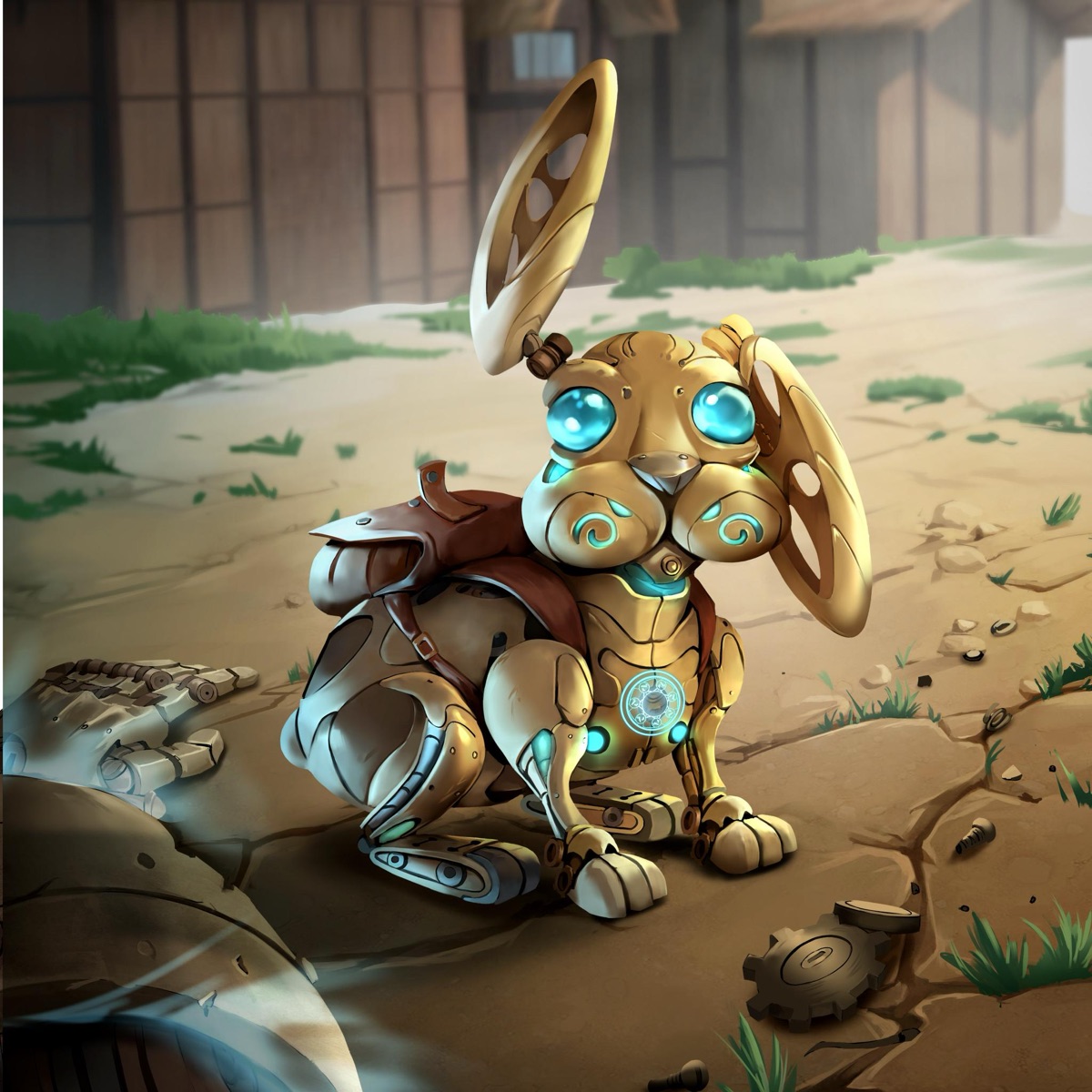
The victory cost them Giramonte. He died defending the village he'd helped save, and it should have been the end of him. It wasn't. He'd built himself a safeguard long before anyone needed it — a small mechanical rabbit that carried a backup of his own mind. Automabunn woke that day carrying every memory Giramonte had ever given it, anxious and uncertain and not entirely sure what sound a rabbit was supposed to make, but alive in the only way that mattered. The Band had lost their inventor and gained, in the same breath, a strange and grieving companion who remembered being him.
Across the Sea
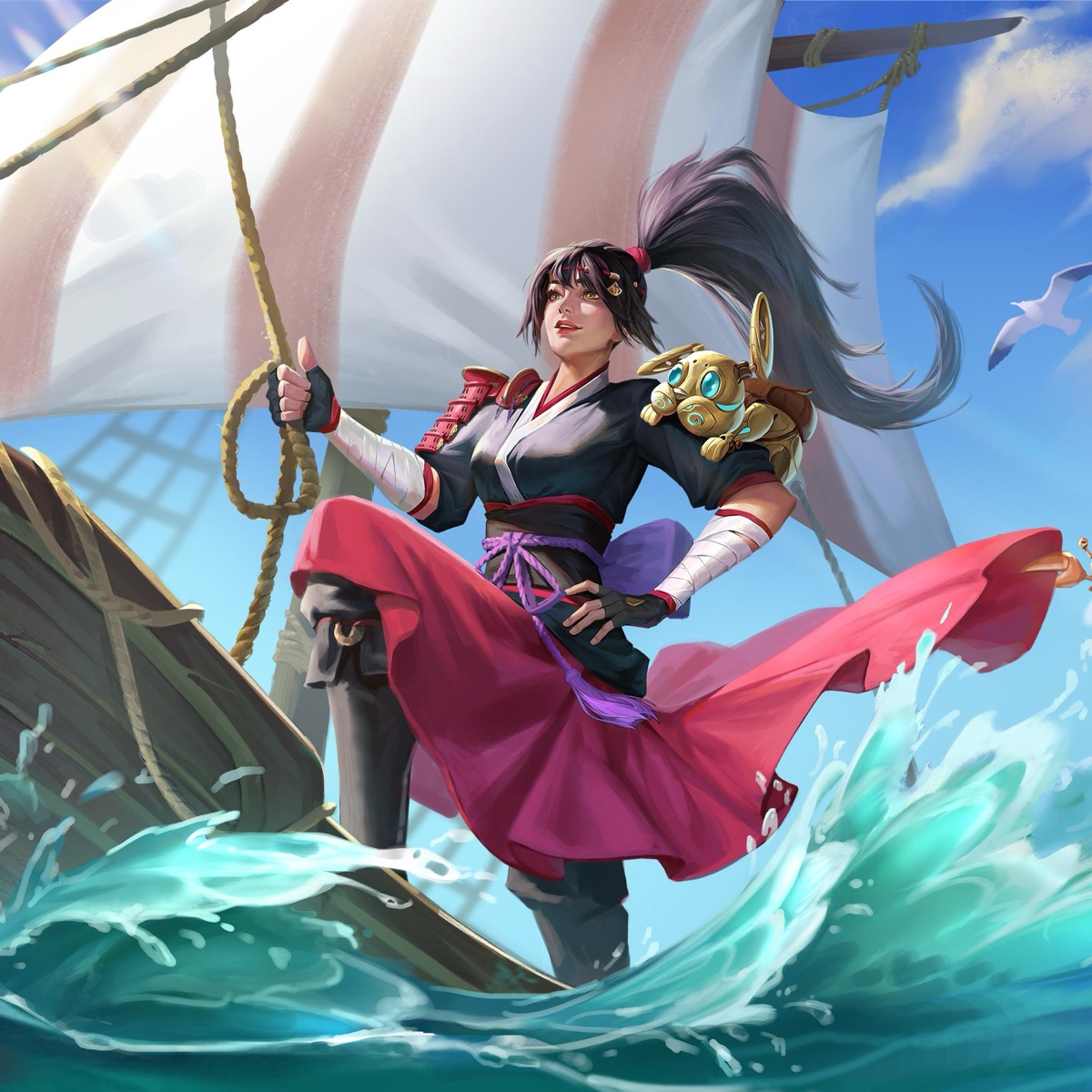
With no trace of Reios and a portal that led nowhere anyone recognized, Eiko did the only thing that made sense: she went looking across water nobody from Faenar was supposed to know existed.
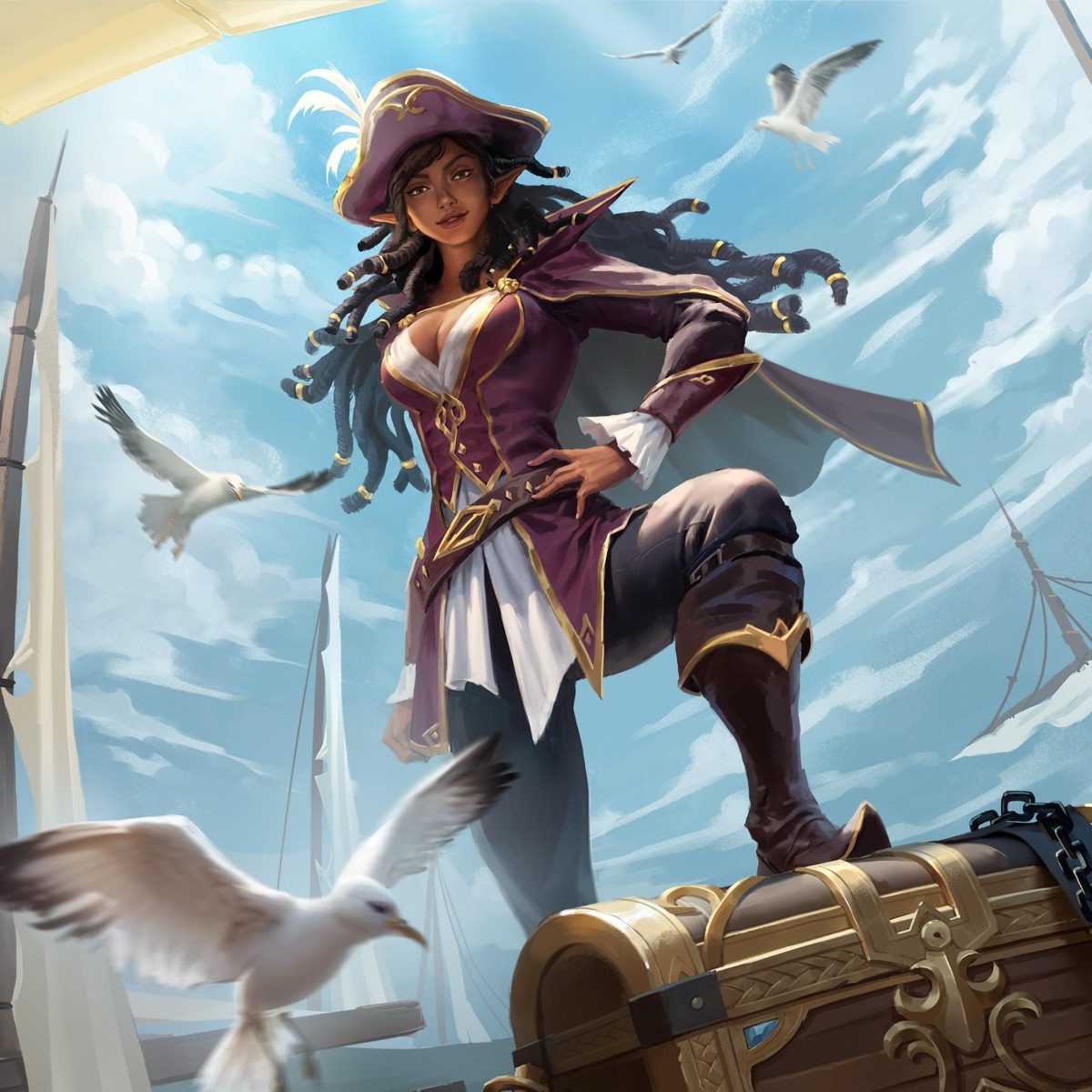
She found passage with Admiral Mayday, captain of a ship called the Atlant Marauder — a woman whose reputation for pirating sat somewhat uneasily alongside genuine connections in high places, with Captain Thibbs and a bird named Digby along for the ride, insisting on the "Captain" every time. What they sailed into was a whole hidden world: the Shimmering Atlant, a vast sea separating Faenar from another continent entirely, neither aware the other existed.
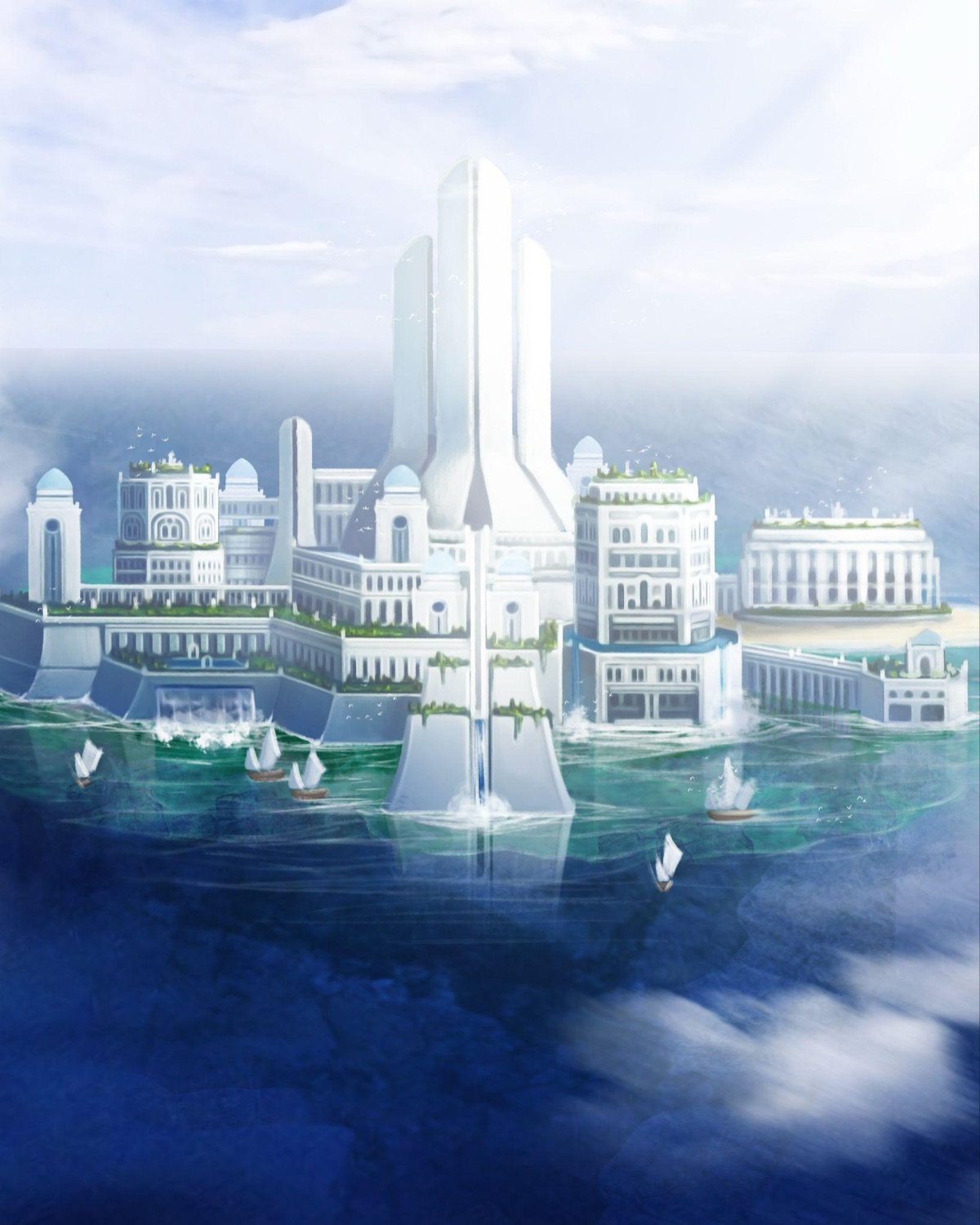
At its heart was Sartonia, a bright city of white salt and stone, built by people who'd fled Faenar generations ago and found only ocean and isolation instead of the paradise they'd hoped for. Rather than surrender to it, they'd learned to harness the crystals of the region, building mechanical beings called Atlanteans to gather, build, and defend on their behalf.
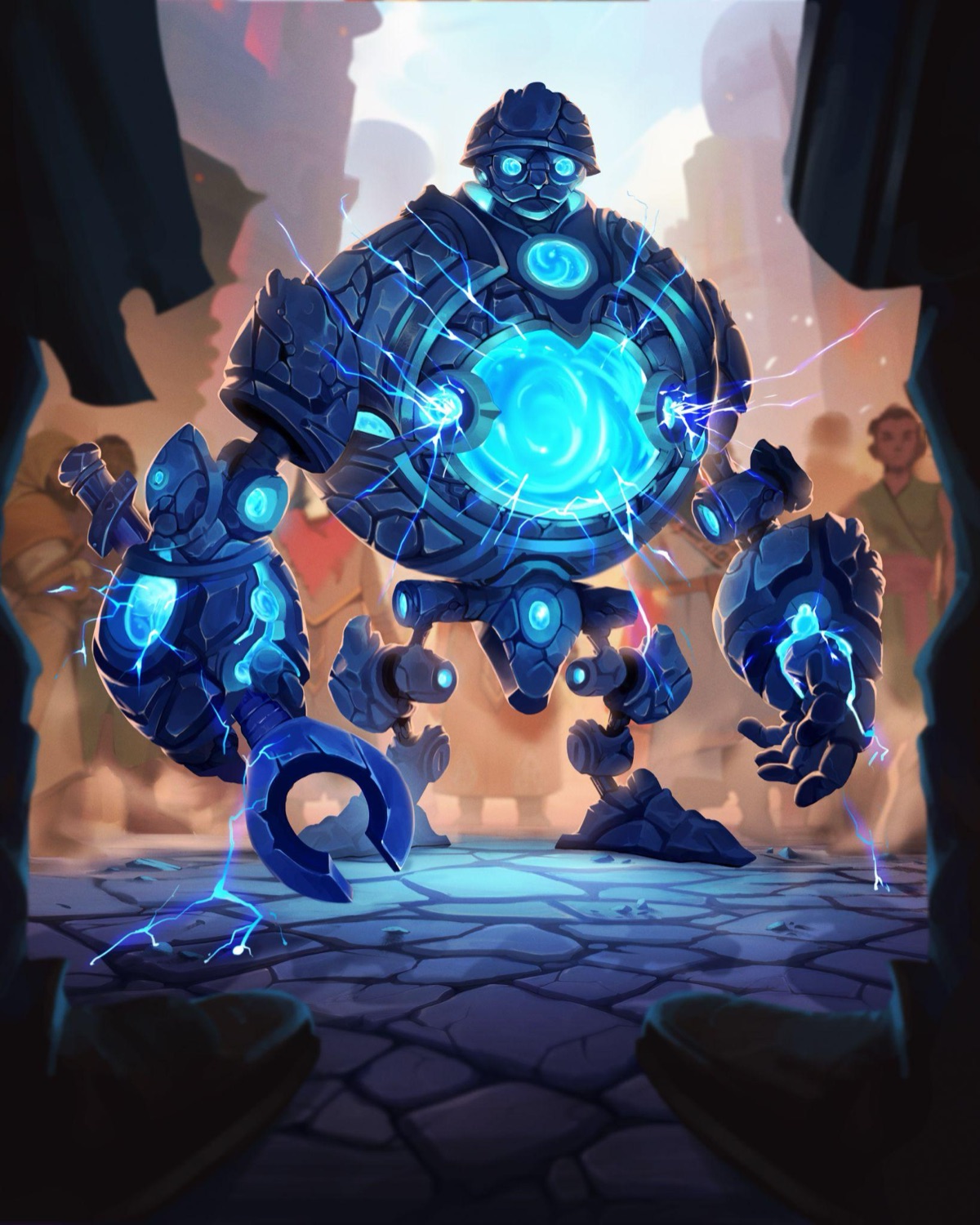
It was here that Eiko had her strangest reunion: Giramonte, alive again, given an entirely new body built from Sartonian craft. He couldn't leave with her — a debt owed to the city that remade him kept him rooted there — so Automabunn stayed at her side instead, the same anxious companion, still carrying the same memories, now walking beside a man who was, in some sense, both there and not.
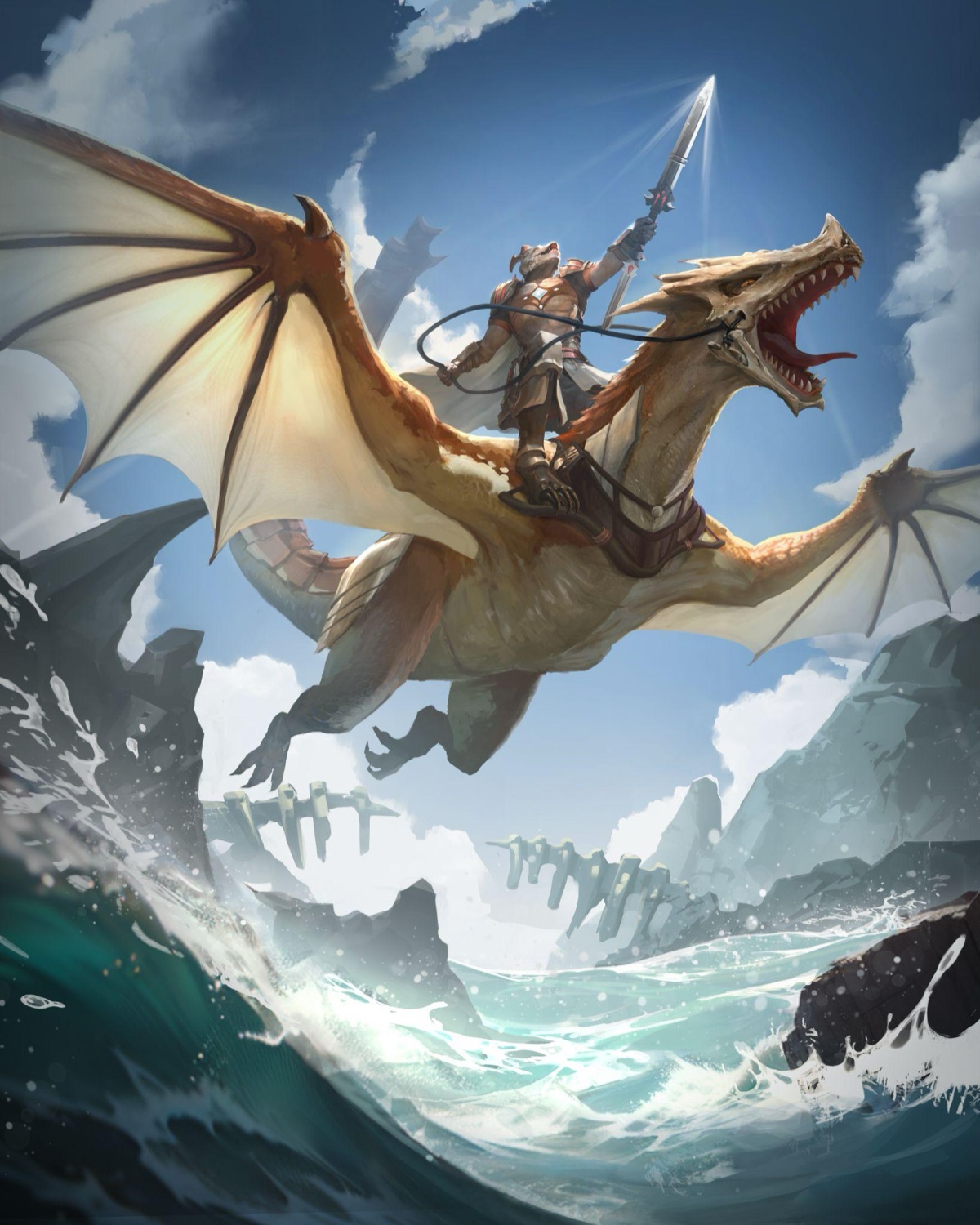
The Draka told a different story. Reios, they said, had washed up on their shores near death after her fall through the portal, and it was their connection to something they called the Depths that had healed her — though something in that healing had also left its mark, subtly reshaping how she thought without her fully realizing it. Among the Draka, Eiko found Glinn, a revered pride soarer fighting to hold a fragile balance, and Tarken, a leader increasingly convinced that Sartonia's relentless mining of the region's crystals was a wound to the land itself, one the Draka were bound to answer.
At the center of the growing conflict was a device the Sartonians called the Manasurge Prototype, and behind it, a mysterious figure they knew only as the Prophet of Progress — a man who'd arrived with a weapon capable of channeling more power than anything Sartonia had built before. Eiko recognized something in him she couldn't place, right up until it was too late to matter. The Prophet was Thaeriel, and his goals had never been Sartonia's goals, whatever he'd let Francesca — the city's chief scientist and the architect of Project R.I.S.E. — believe.
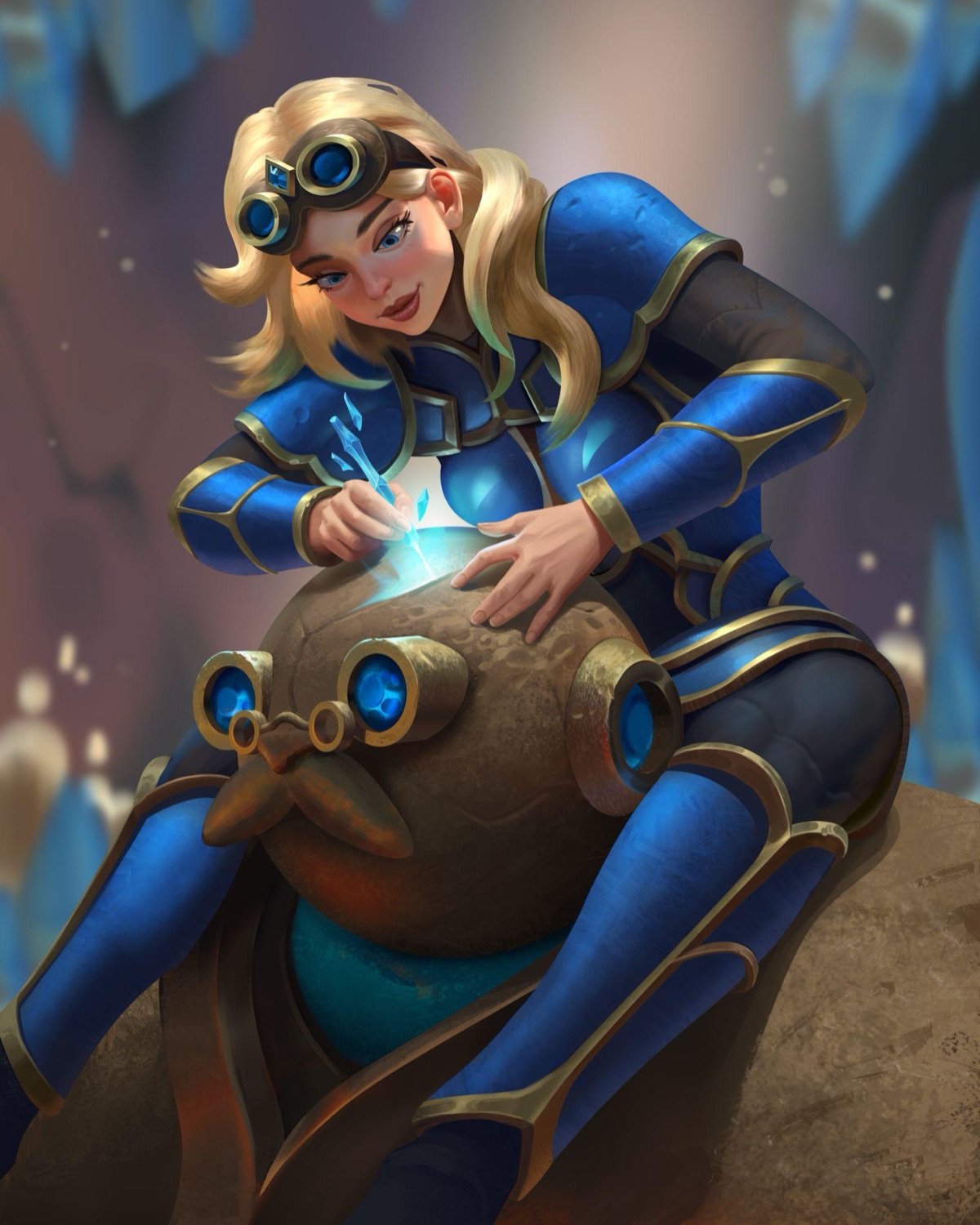
Francesca's plan was simple in theory: use the Blade of the Creator to draw power from the Shimmering Spire, the largest crystal any of them had ever seen, and use it to finally take Sartonia home. What none of them understood — not the Sartonians chasing progress, not the Draka trying to stop them — was that the Spire had never been a power source at all. It was a seal. And someone was about to break it.
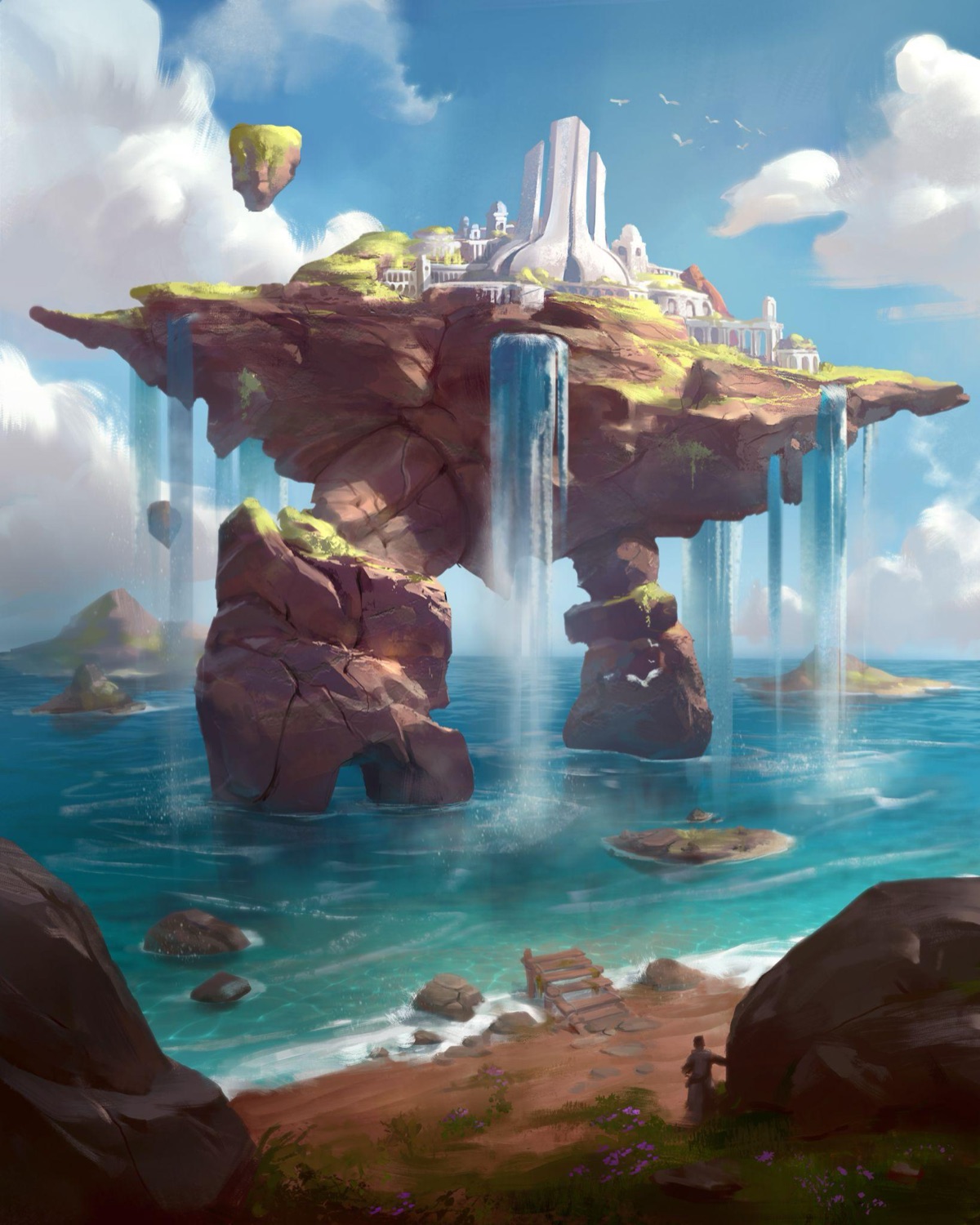
The battle at the Spire was chaos: Draka against Sartonian, dragon against machine, all of it circling a weapon being charged with more force than the world had a place to put. Thaeriel drove the Blade home. The Spire cracked, dark color bleeding through crystal light, and in the last seconds before it gave way entirely, Zaskia — Sartonia's finest pilot, celebrated for feats no one else could match — threw herself into stopping it. She was too late, and the corruption reached her first, the first visible casualty of something that had been waiting inside Eucos far longer than anyone realized.
Then the Spire simply stopped existing. What came out of it wasn't power. It was the Dread — a black wave and reaching shapes, tearing loose from wherever it had been sealed and pouring straight into the world. Thaeriel stood at the center of it, laughing in a voice that wasn't only his anymore, great dark wings spreading from a body that had stopped being entirely human. Mayday and the Marauder escaped the wave that followed.
The Dread had returned to Eucos. And it was only getting started.
The Lord of Luster
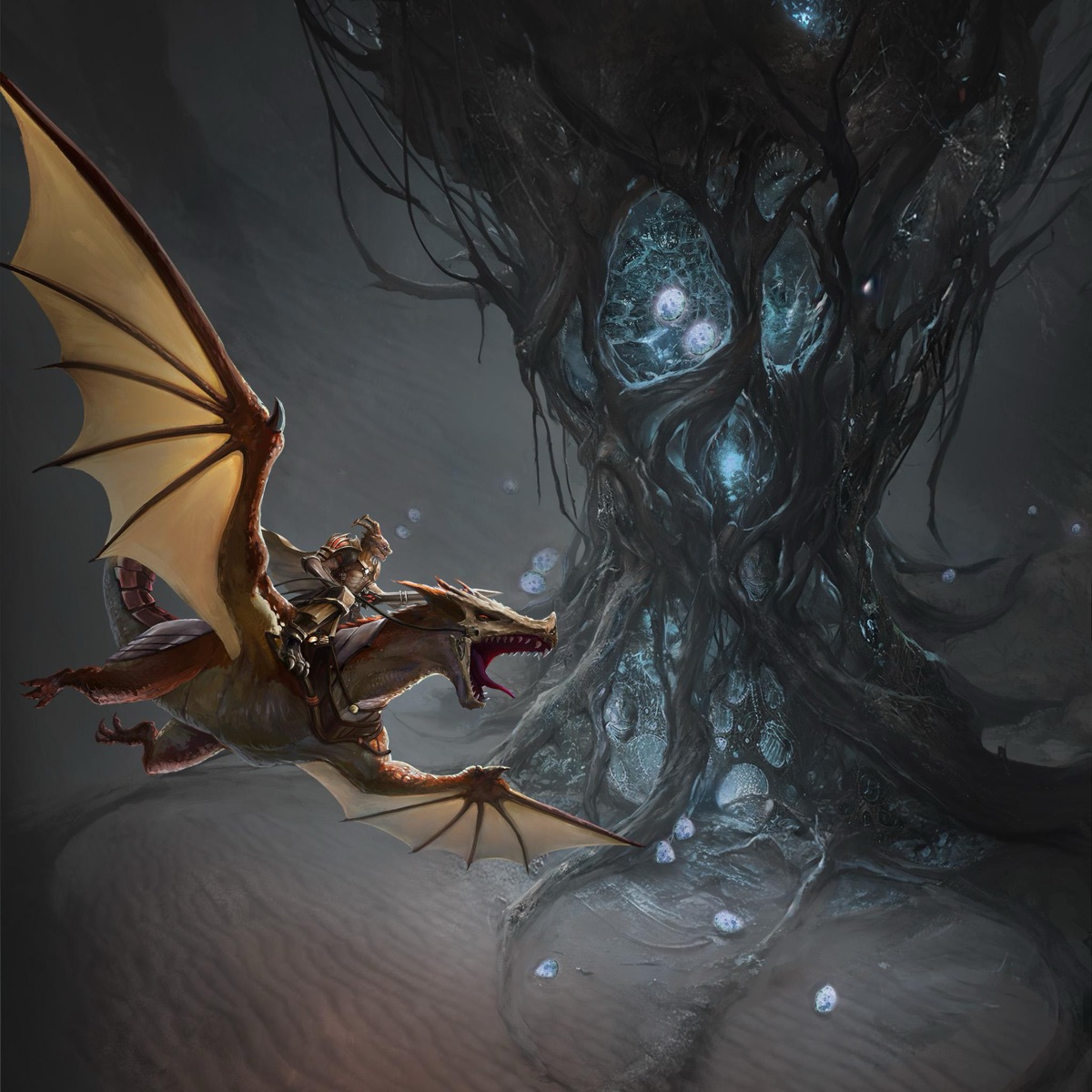
Faenar didn't recognize itself by the time Eiko and Reios returned, carried home on the backs of Glinn's dragons. The Dread had swept across the continent in the months since the Spire broke, and it touched every corner of Eucos differently — old growth twisting into strange new fusions of beast and plant, scholars at the Academy losing themselves chasing knowledge too old for mortal minds, whole communities of the devout finding their gods gone suddenly, unsettlingly quiet. And into that chaos stepped a familiar voice.
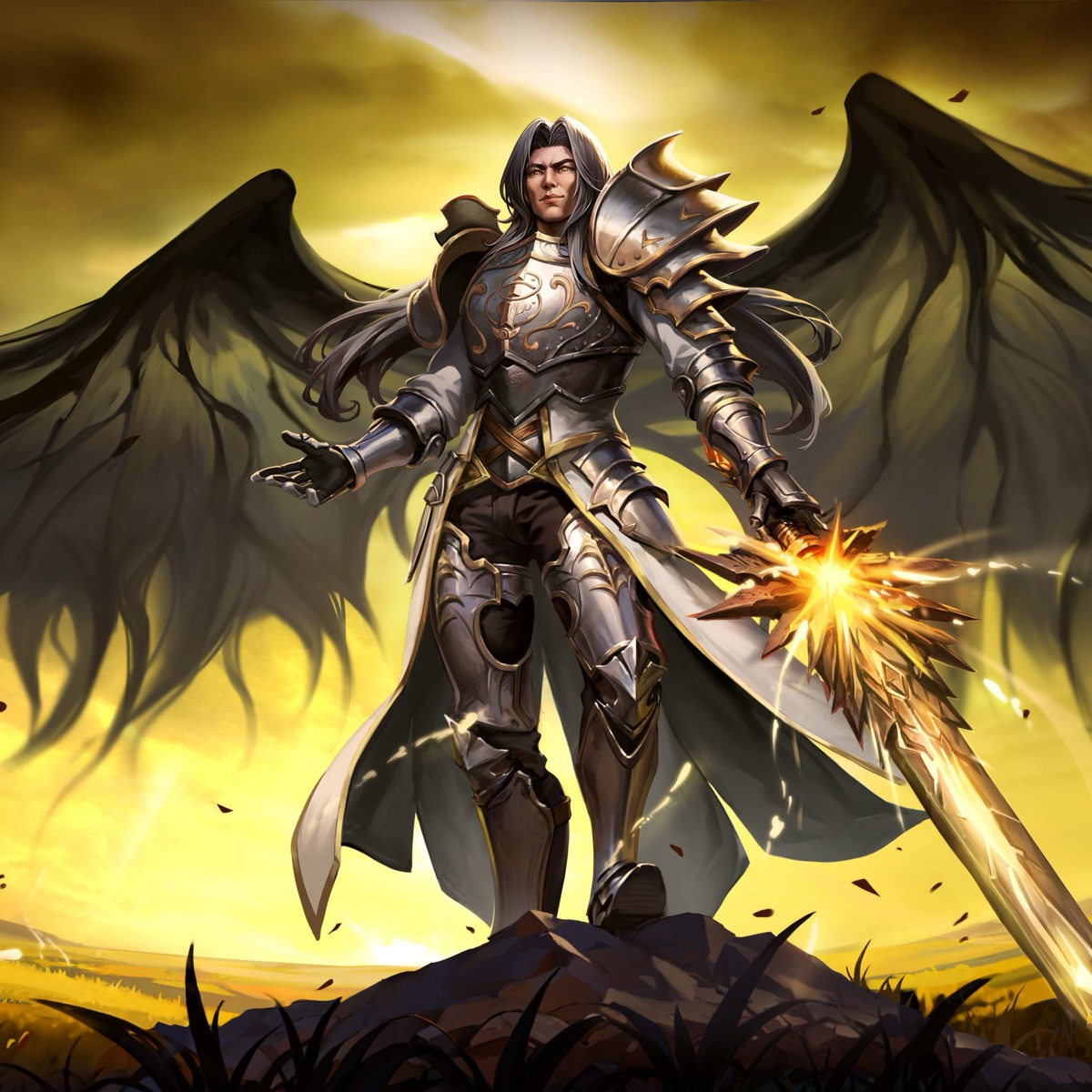
He called himself the Lord of Luster now, and he was, by every account that reached the Band, exactly the kind of savior a frightened world was hungry for — the one figure who claimed to understand the Dread, who promised safety inside his growing following. What almost no one grasped was that he'd released the thing he claimed to be managing. He was the arsonist standing at the fire, offering to put it out, and it was working.
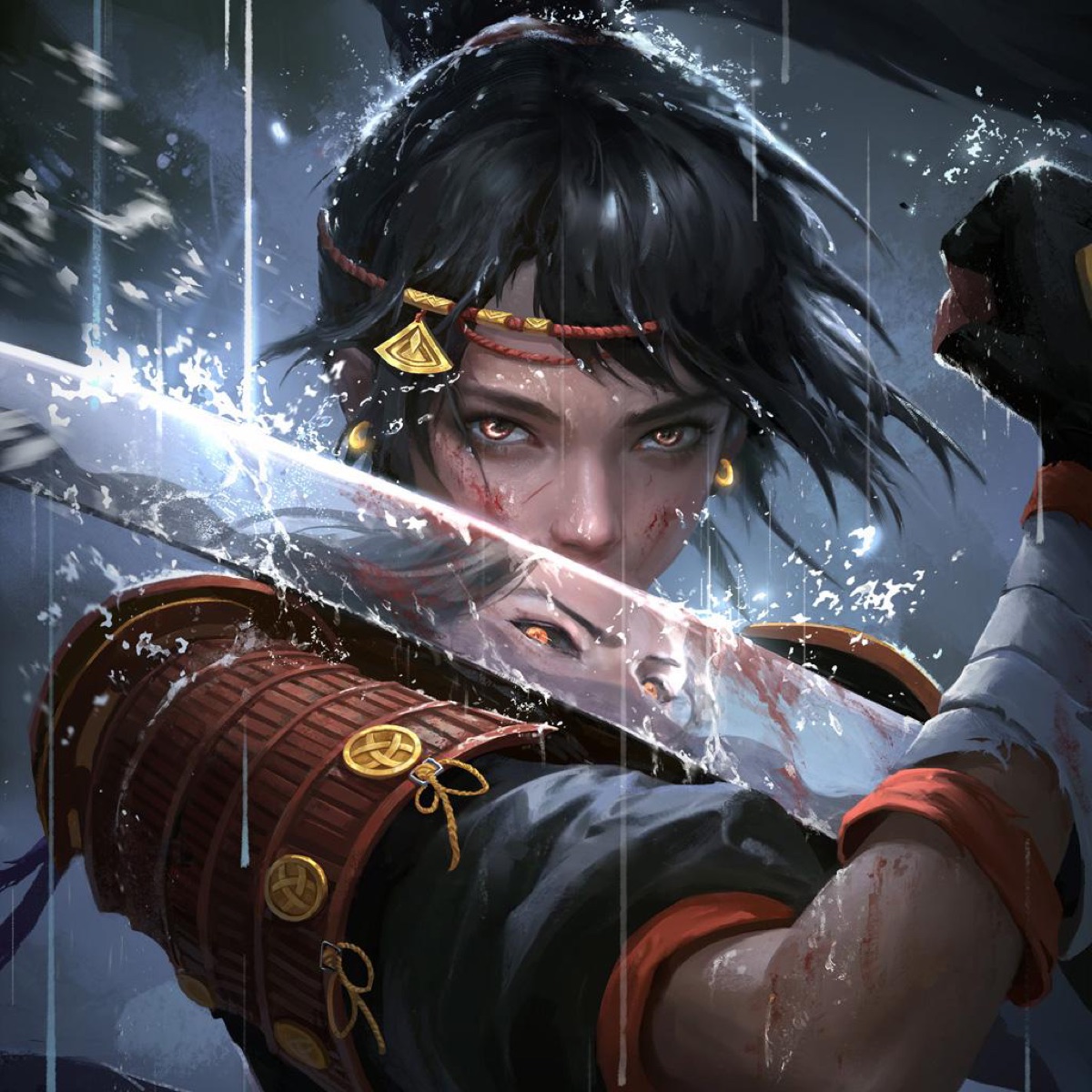
Eiko rebuilt the Band around a single purpose: find him and stop him, whatever he'd become. But bringing everyone back together meant confronting what the last stretch had cost them all — Reios most of all.
She'd nearly lost herself entirely; whatever had reached her through the Draka's healing had kept working at her ever since, quietly eroding the certainty she'd always led with. It was Eiko who pulled her back from it, and it was Reios, watching the woman she'd trained become someone stronger than she currently was, who made the decision herself: the Band was Eiko's to lead now. Glinn joined them properly around the same time, his own home scarred by the Dread and his own reasons closer to revenge than duty — a fire Eiko recognized well enough to want to temper before it consumed him the way vengeance once nearly consumed her.
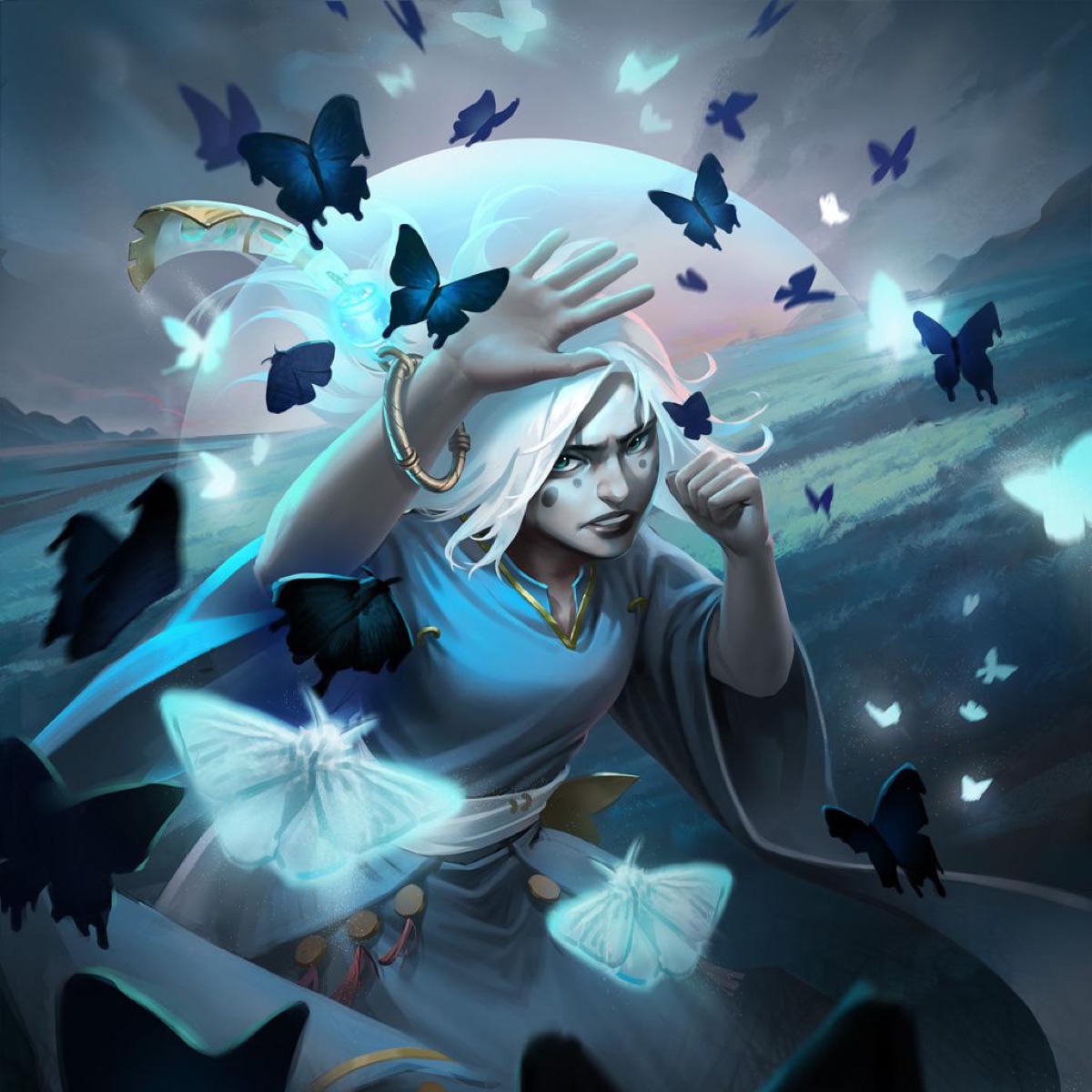
Argus and Chira kept doing what they'd always done, inseparable through all of it. Argus had been named Lysander's chosen by then, given a champion's strength to go with a protector's instinct — but strength doesn't fix everything. The Dread had found its way into Death's own domain, twisting the boundary Chira relied on every time she came back from dying, and there wasn't a shield built that could stand between her and that.
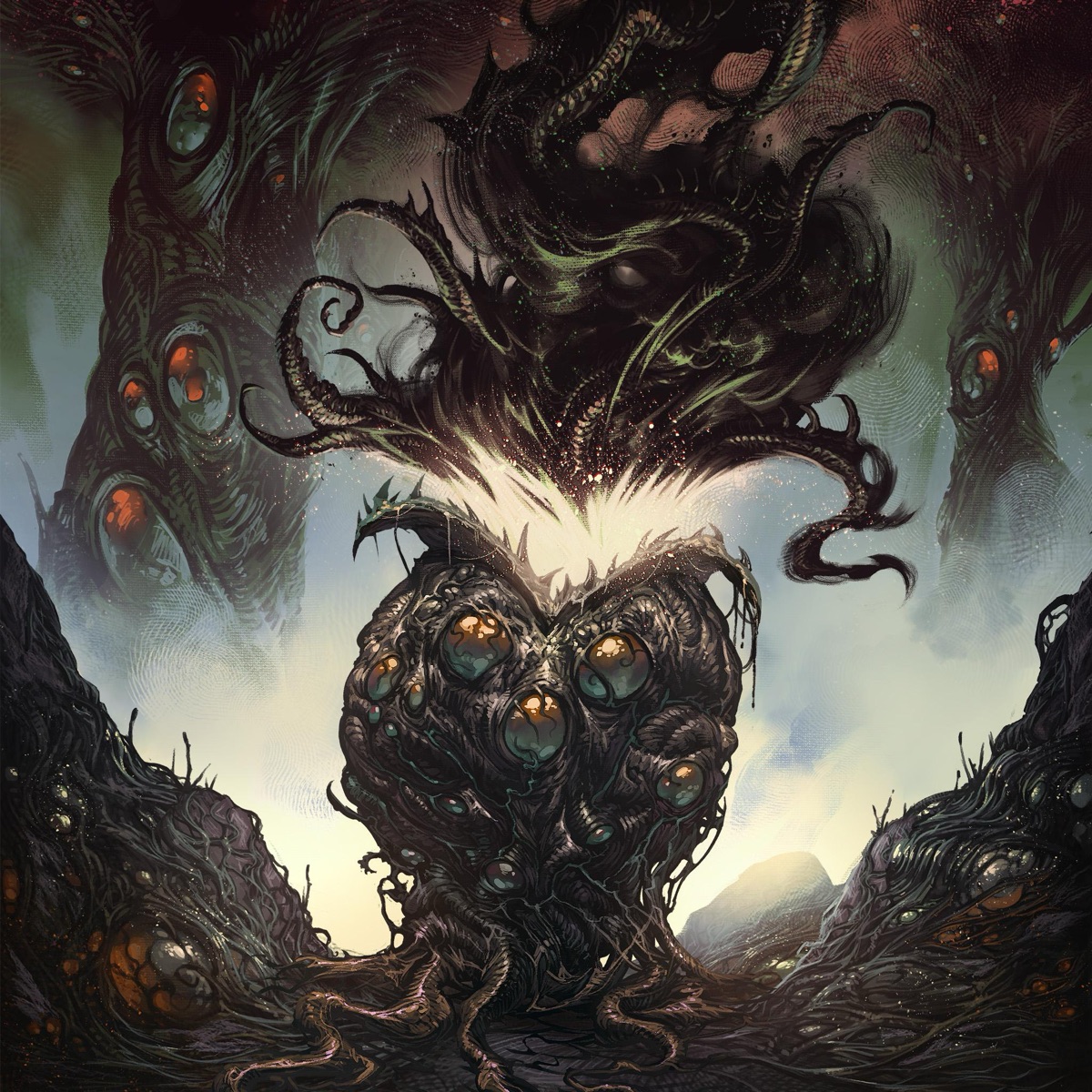
The hunt scattered them across Faenar, each finding the Dread in their own corner of it. Divya tracked its spread through forests thick with warning signs, a great panther guiding him deeper with every step.
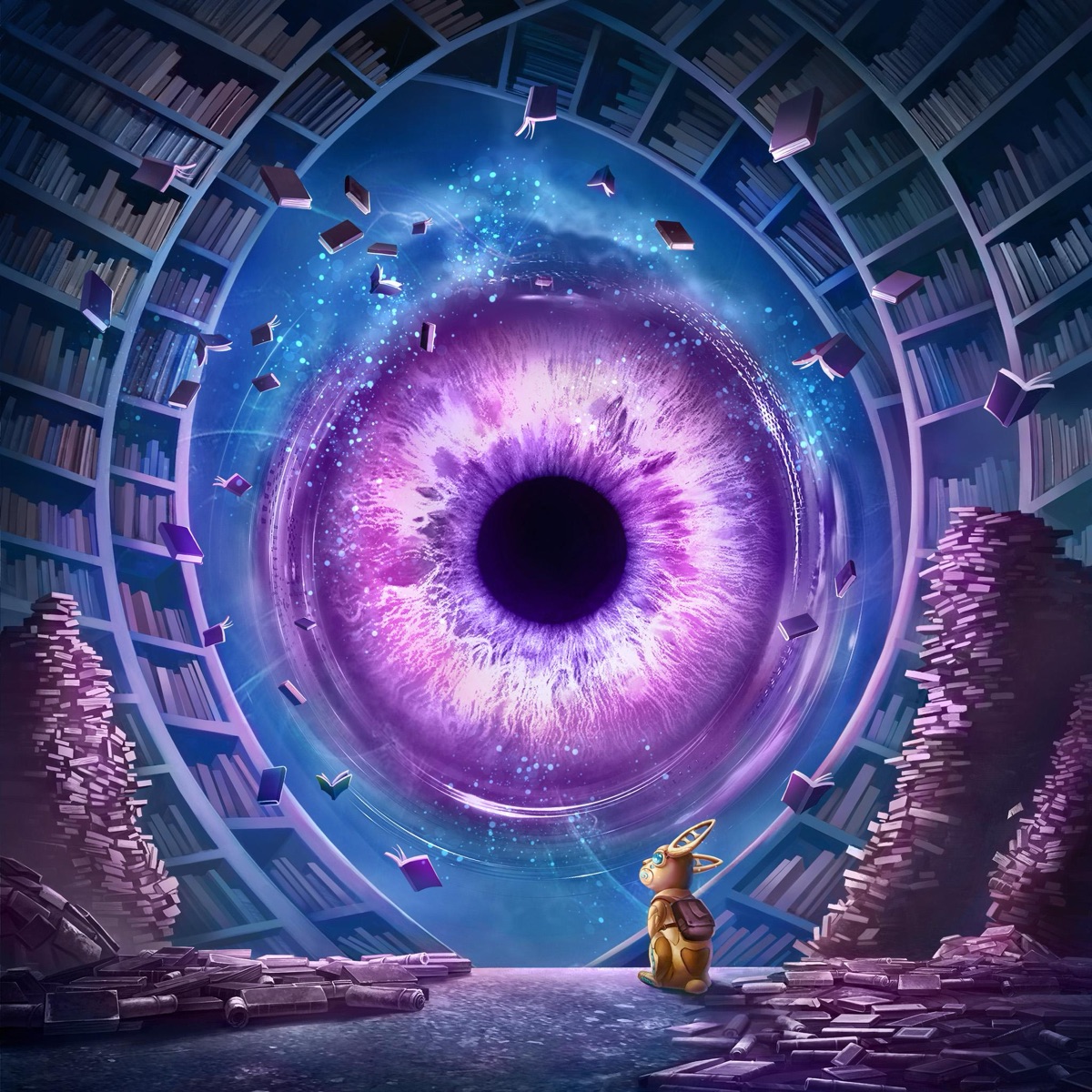
Automabunn, alone in a warped corner of the Academy's library, found itself staring down something ancient and cosmic that no mechanical rabbit was built to withstand — and somehow held anyway. Chira was caught in a swarm of moths gone wrong, ordinary creatures spun into something dangerous by whatever the Dread had touched. Argus threw his shield again and again, standing between his companions and things none of them fully understood. Gama, for his part, ran headlong into the strangest horror of the hunt: a version of himself, twisted and wrong, with no easy way to tell whether it was real or something his own mind had conjured.
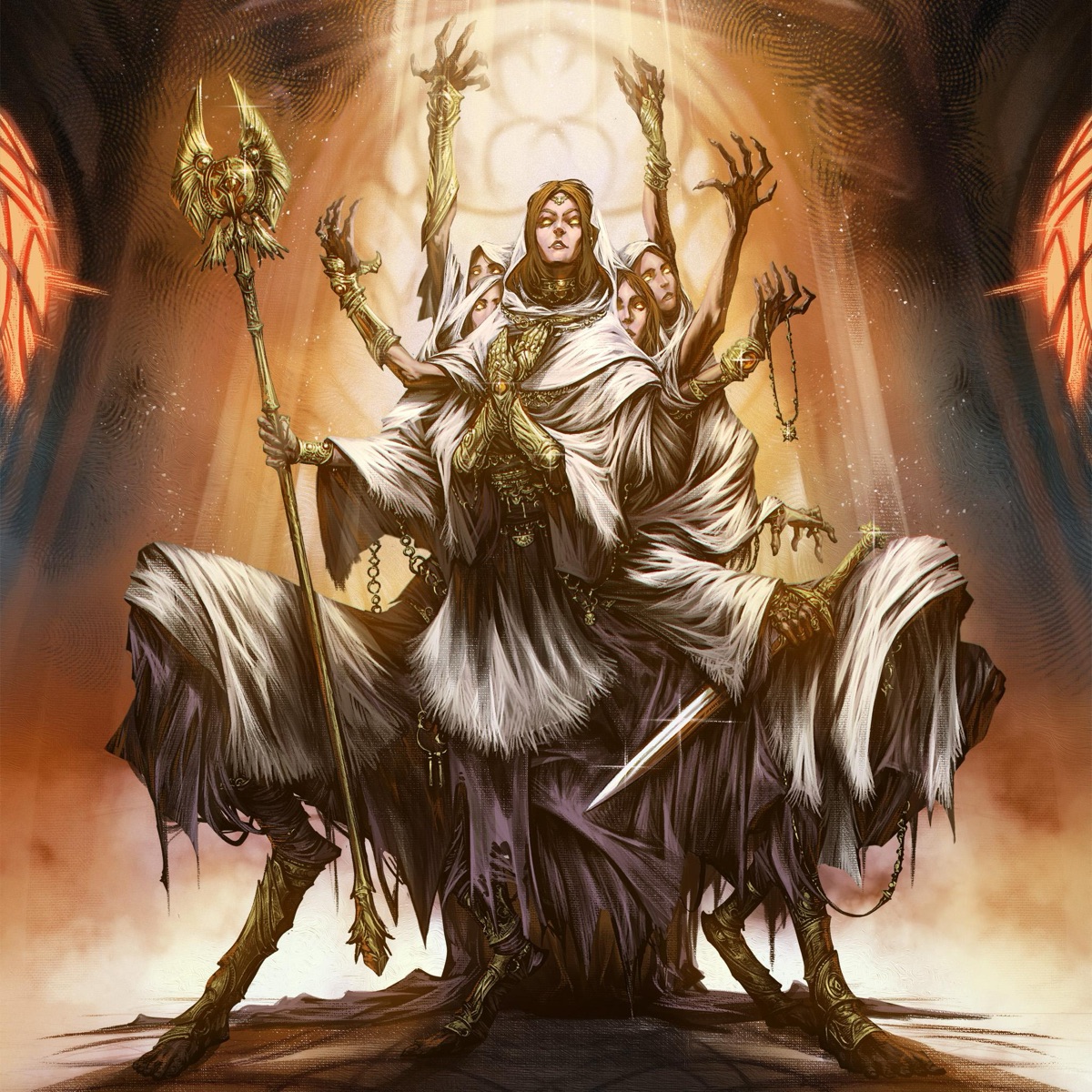
Piece by piece, the trail all led the same direction — toward a tower that hadn't existed a year before, rising out of a wound in the land like it had always been there, waiting.
The Top of the Tower
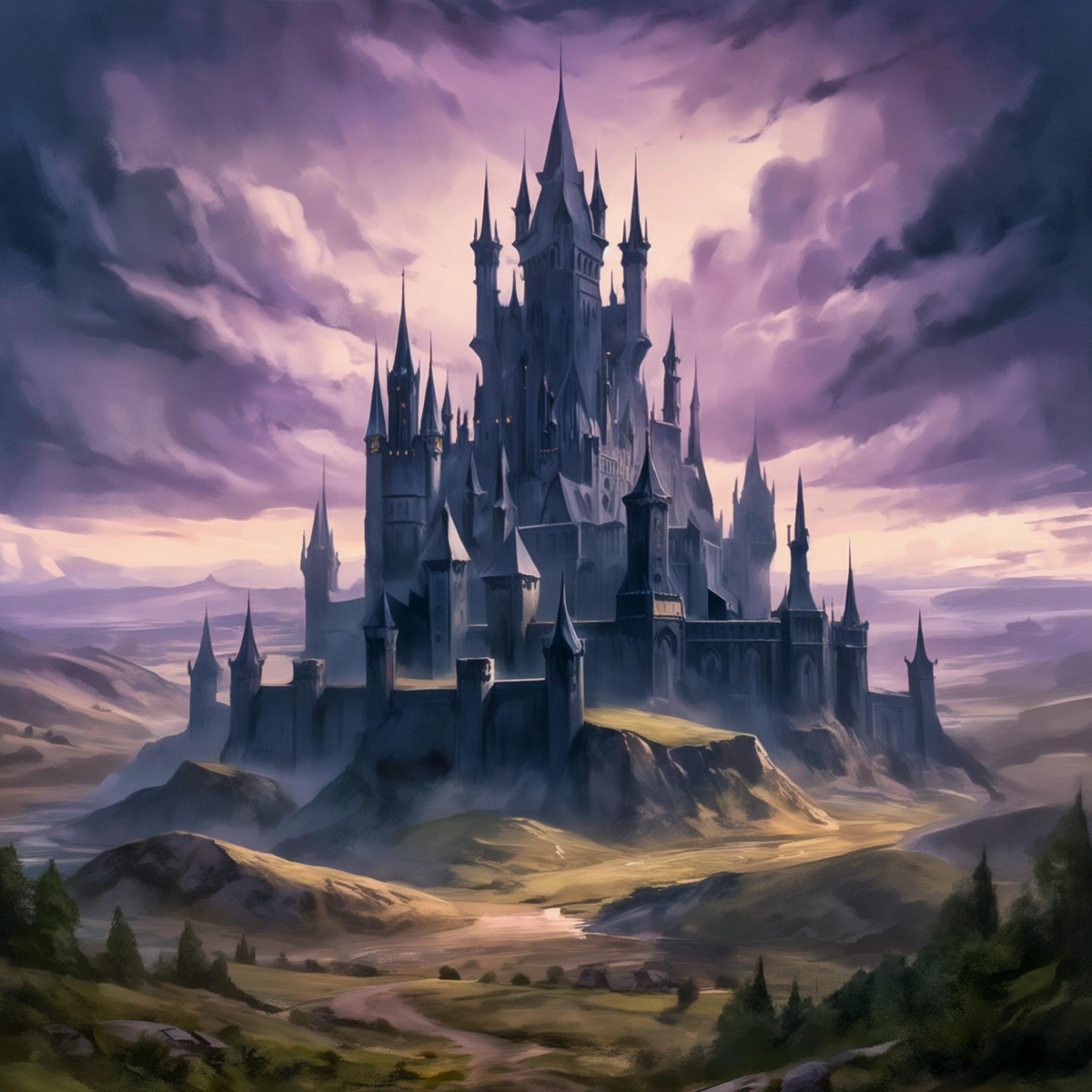
The Tower rose from ground the Dread had already ruined, a single spire of impossible growth in a landscape that had nothing else left standing. From outside it looked like sanctuary — a promise that something, at least, had survived. Inside, it was ruled floor by floor by six Sovereigns, each one a mortal or creature the Dread had remade and elevated, each with a domain of the Tower entirely their own.
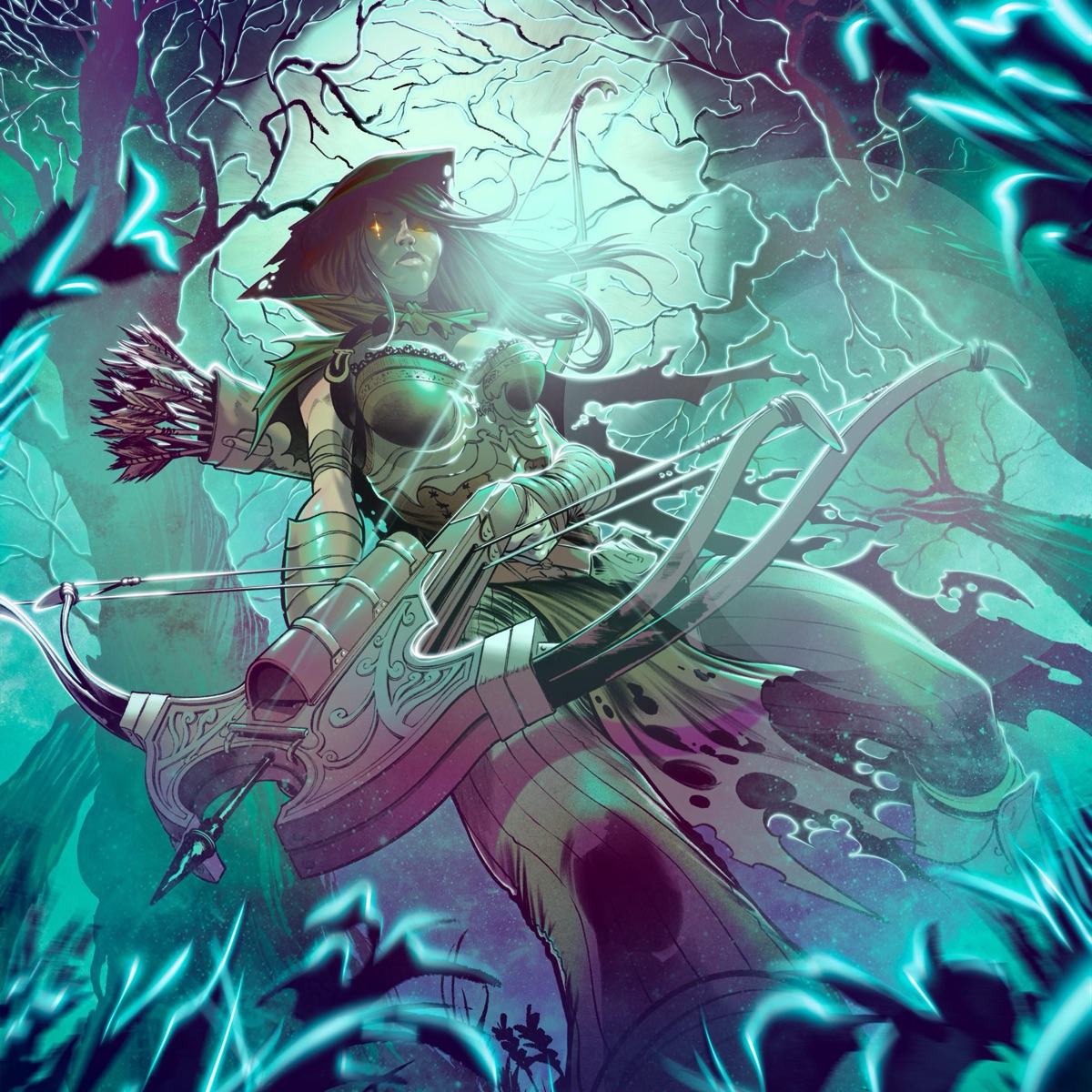
The Band climbed through all of them. In the Dreadwood surrounding the base, Narcilla, called the Huntress, tracked every visitor as friend or prey — no one escapes the Dread, she told them, and for a while it seemed true.
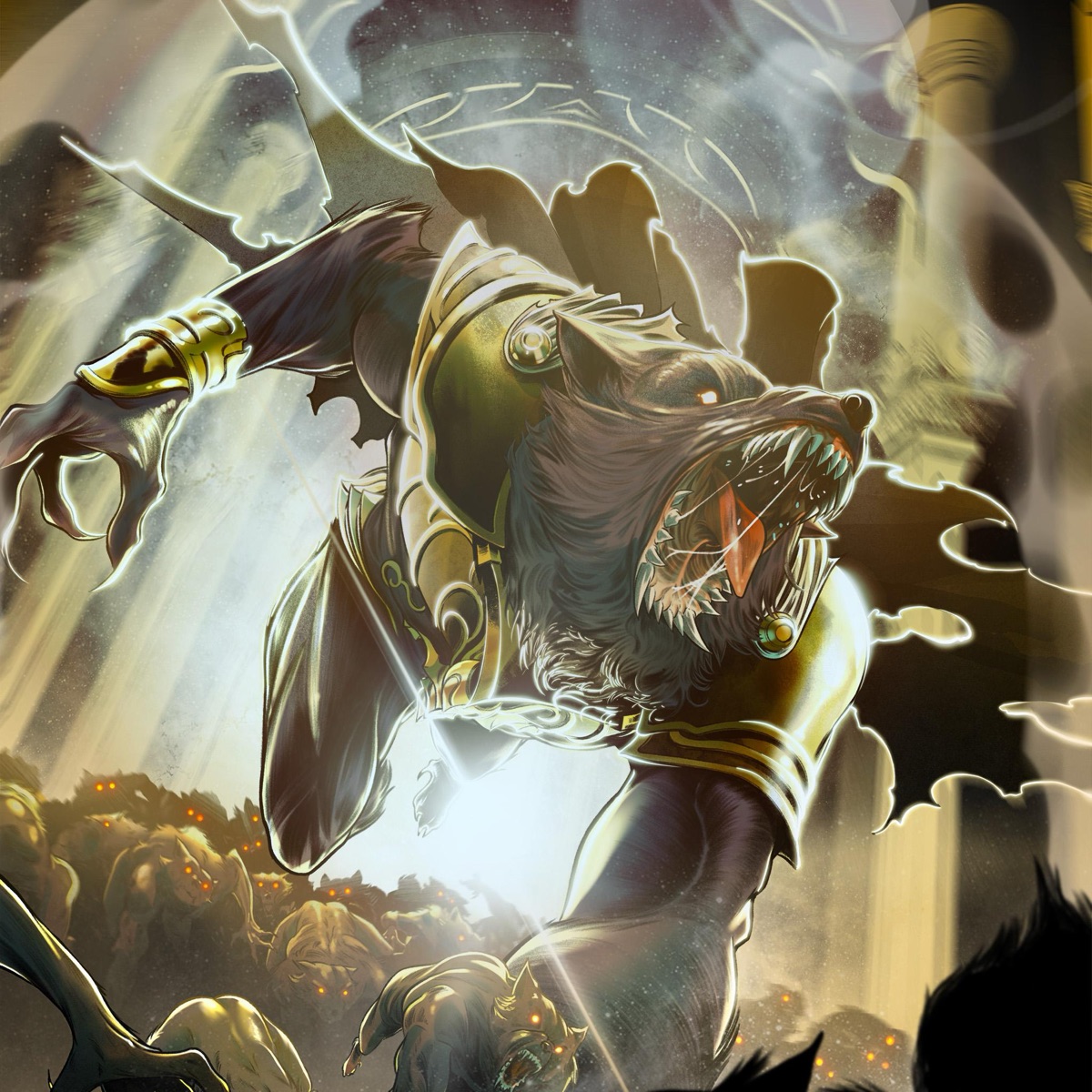
Past her, a chapel run by Levicus, a preacher who called himself the Lupine kind, teaching the faithful to stop fearing the beast inside themselves and start becoming it.
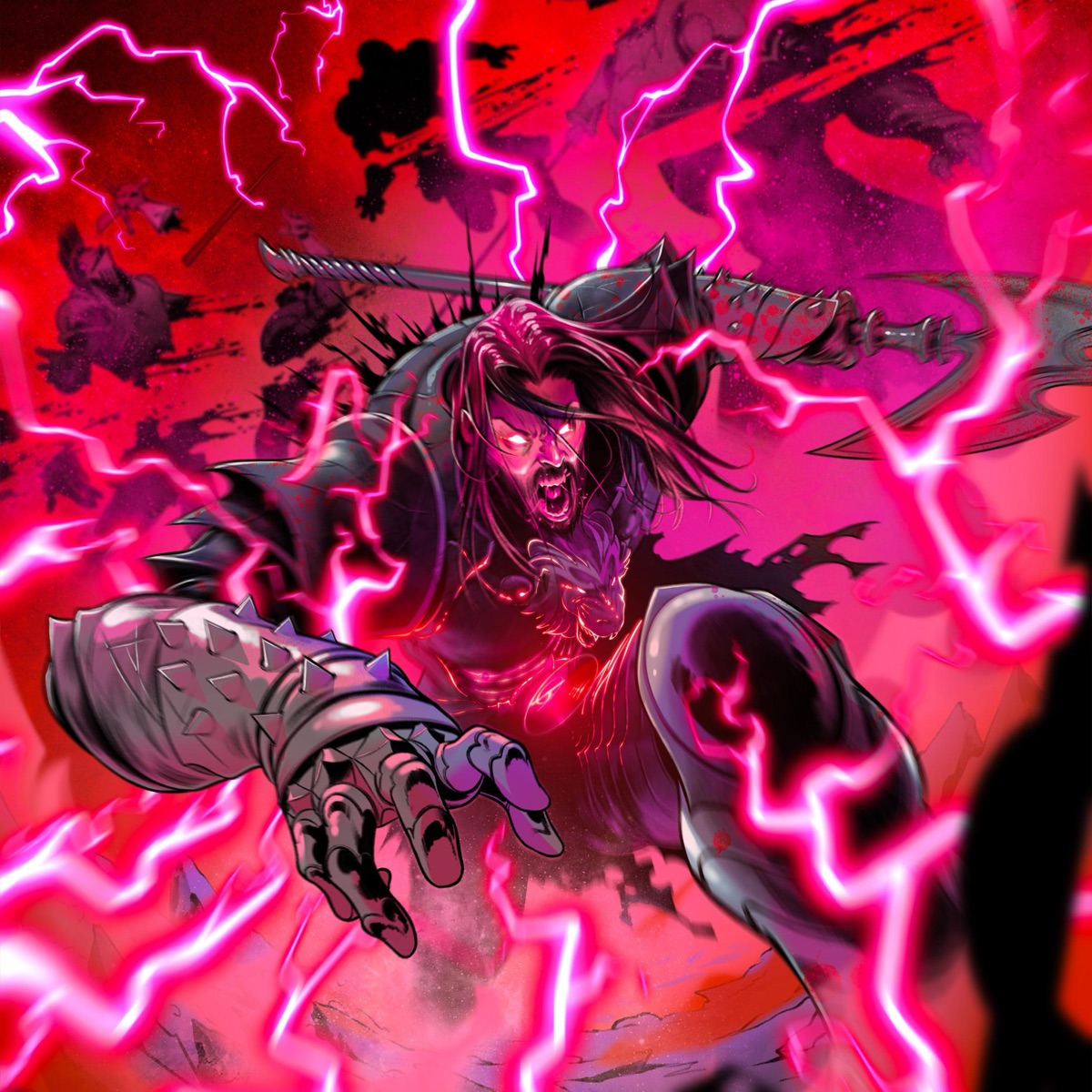
Deeper in, the dungeons belonged to a face the Band knew all too well: Hortuk, brought back from a wound that should have killed him, rebuilt by a Sovereign called Gideon into something darker and far quieter than the brutal, almost gleeful commander who'd burned Raneko. He didn't speak. He barely needed to.
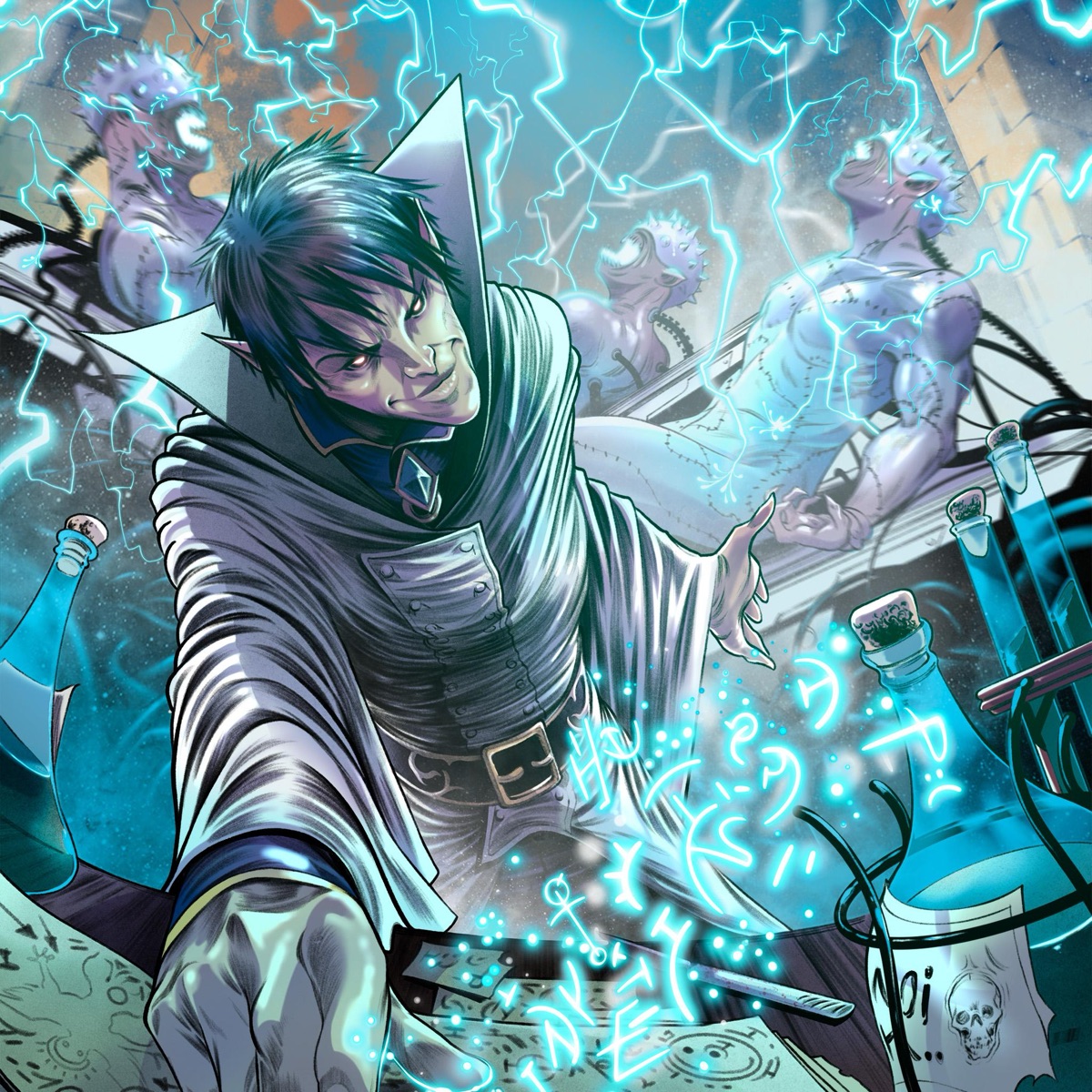
Gideon himself ruled the floor above — a prodigy the Academy had expelled for experiments no one there would sanction, now given an entire laboratory and a Lord willing to supply the subjects. Morality, he liked to say, only dilutes what's possible.
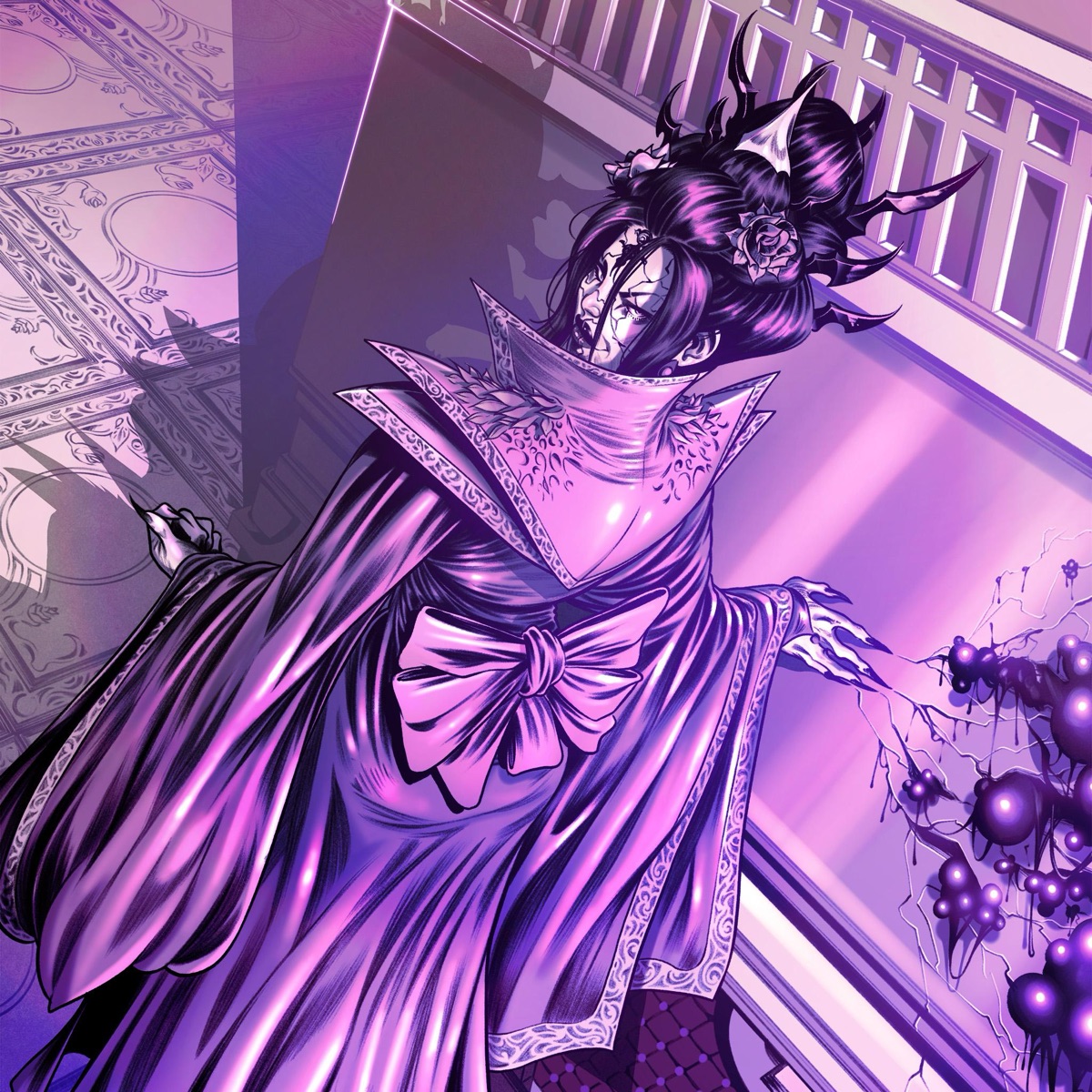
Past him, an entire floor made to look like a genteel Ronellan mansion, governed by a Countess who insisted on appearances even here, especially here.
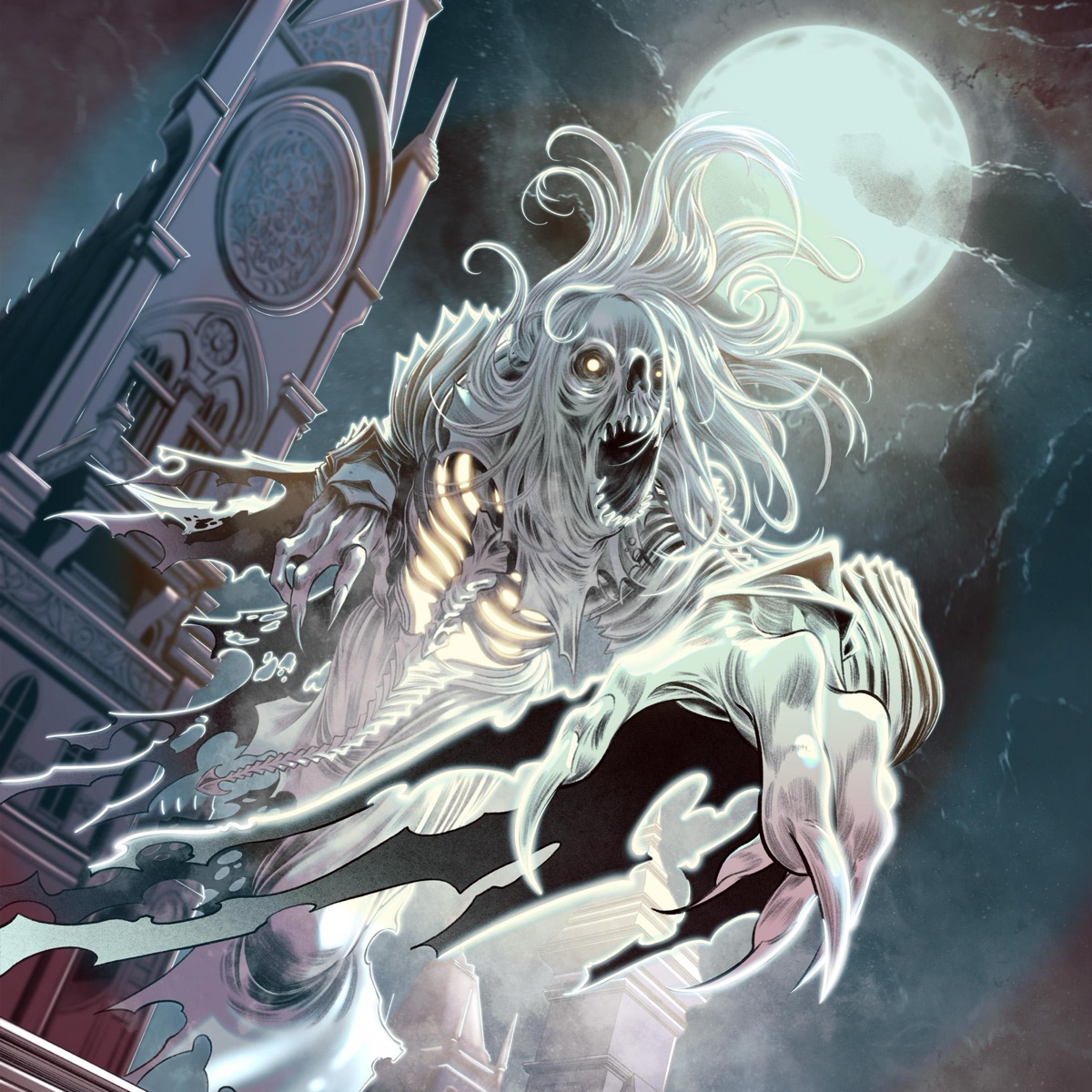
And past her, a crypt full of graves that shouldn't have existed inside a tower, tended by Servilia — once among the most devout of Thaeriel's own worshippers, now a withered husk bound to serve him in whatever he'd become, faith curdled into something closer to a sentence.
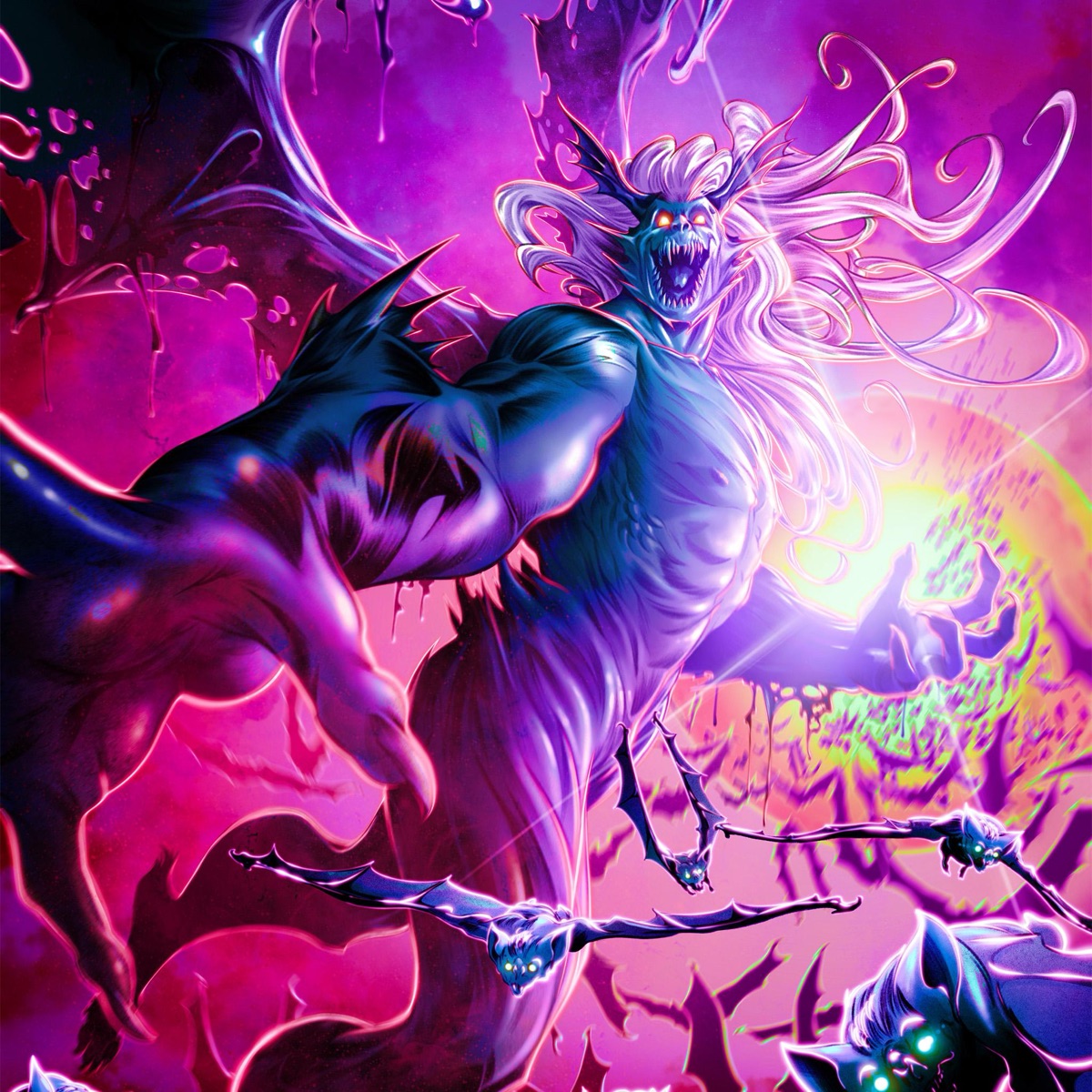
At the top, under a full moon, they found him.
Whatever remained of the god who'd once ruled Light, whatever remained even of the man he'd been after that, was gone. What stood at the top of the Tower was a beast, barely holding a shape at all, centuries of twisting finally arriving at their end point. The Band fought together in a way they never quite had before — Nature and Light and War and Magic and Deception and Death, all six, channeled together into a single point of white light around Eiko. She drove it home.
For one moment, before the shadow took him, something human broke through. His eyes cleared, and whatever he saw looking back at Eiko made him look almost sad — helpless, even, in the face of something too large for him to have ever really controlled. Then it hardened again, rage flooding back in, and he spoke the only thing he left to say to her: that she couldn't stop this. That they were the same, in the end, her and him.
Then he was gone, burst into shadow, and the Tower came down around all of them.
They watched it happen from dragonback, rising fast enough to escape the collapse — a spire of Dread-grown stone crumbling into nothing, a black wave of smoke and creatures pulled loose from the wreckage and dragged east, out across an ocean toward a distant shore none of them had seen. The Dread was leaving Faenar. For now, that was enough to call it a victory.
But Thaeriel had fled, not died — and somewhere in that fleeing shadow, whatever remained of a fallen god was still becoming something else. The Band had ended his tower. They hadn't ended him. And nobody standing in the wreckage that night could have told you where he went, or what he'd finish turning into before anyone saw him again.