







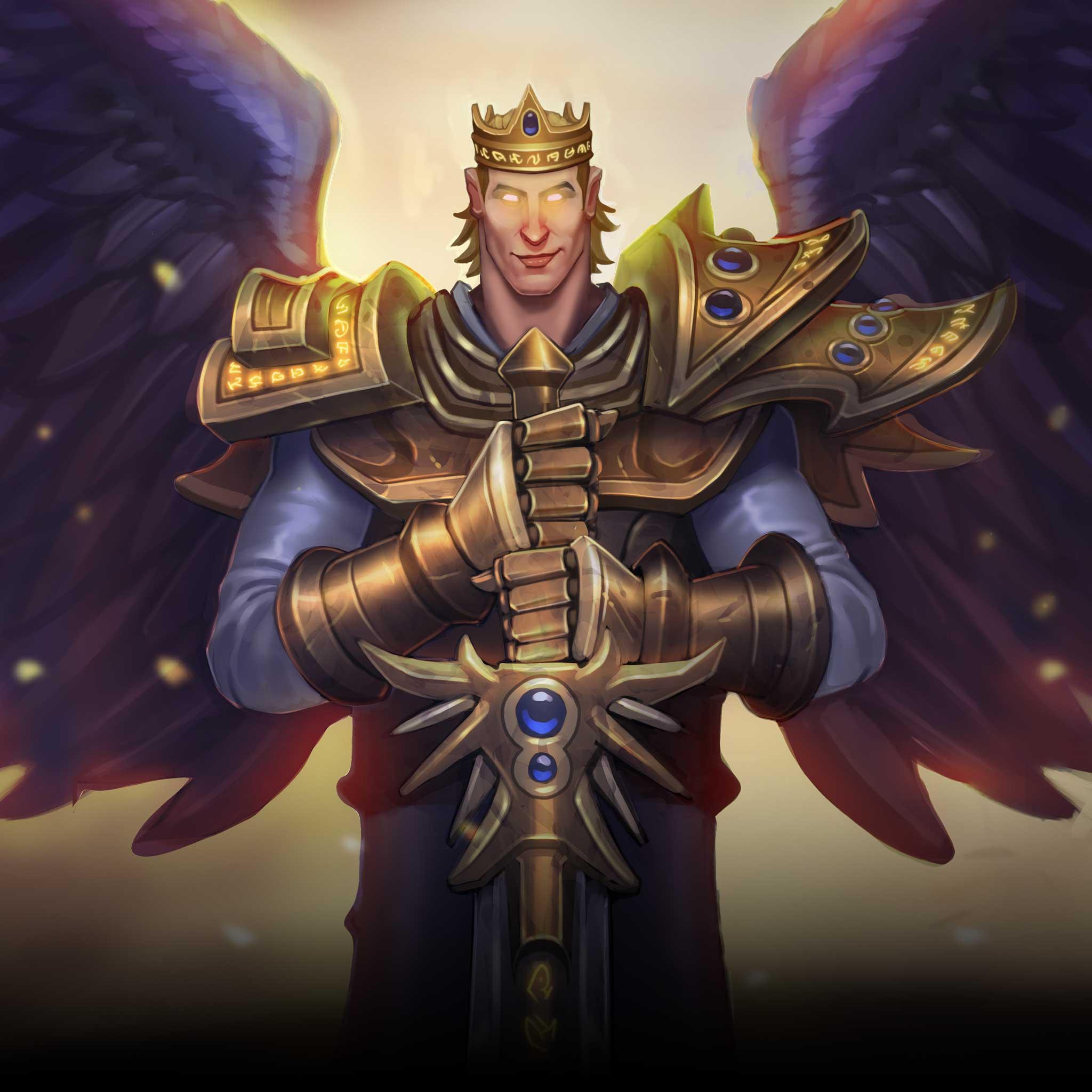
There was a god who believed he had found the one truth that could save the world, and for a long age, no one thought to question whether a god could be wrong. Least of all the god himself.
His name was Thaeriel, and he held the domain of Light. He believed — completely, without the smallest fracture of doubt — that Eucos's chaos could only be resolved by a single will standing over all of it, and that he alone possessed the clarity to be that will. Not conquest. Not cruelty. In his own mind, this was mercy: order, imposed once and for all, so that no one would ever have to suffer the alternative again. A god does not often get the chance to test a belief that large against the whole of the world. Thaeriel meant to take it.
To bring it about, he devised a trial and called it a test of worthiness. The other gods believed him. Only Ludia, Goddess of Deception, looked past the ceremony and saw the shape of what he truly intended — not a trial at all, but an execution, dressed in the language of a contest. She said nothing. She built her own design instead, quietly, beneath his, so that when his hand finally moved, it would close on nothing.
Six mortals were chosen that year, one for each domain, each carrying a fragment of its power into the world for the first time. None of them yet knew what they had been made a part of.
What No One Saw
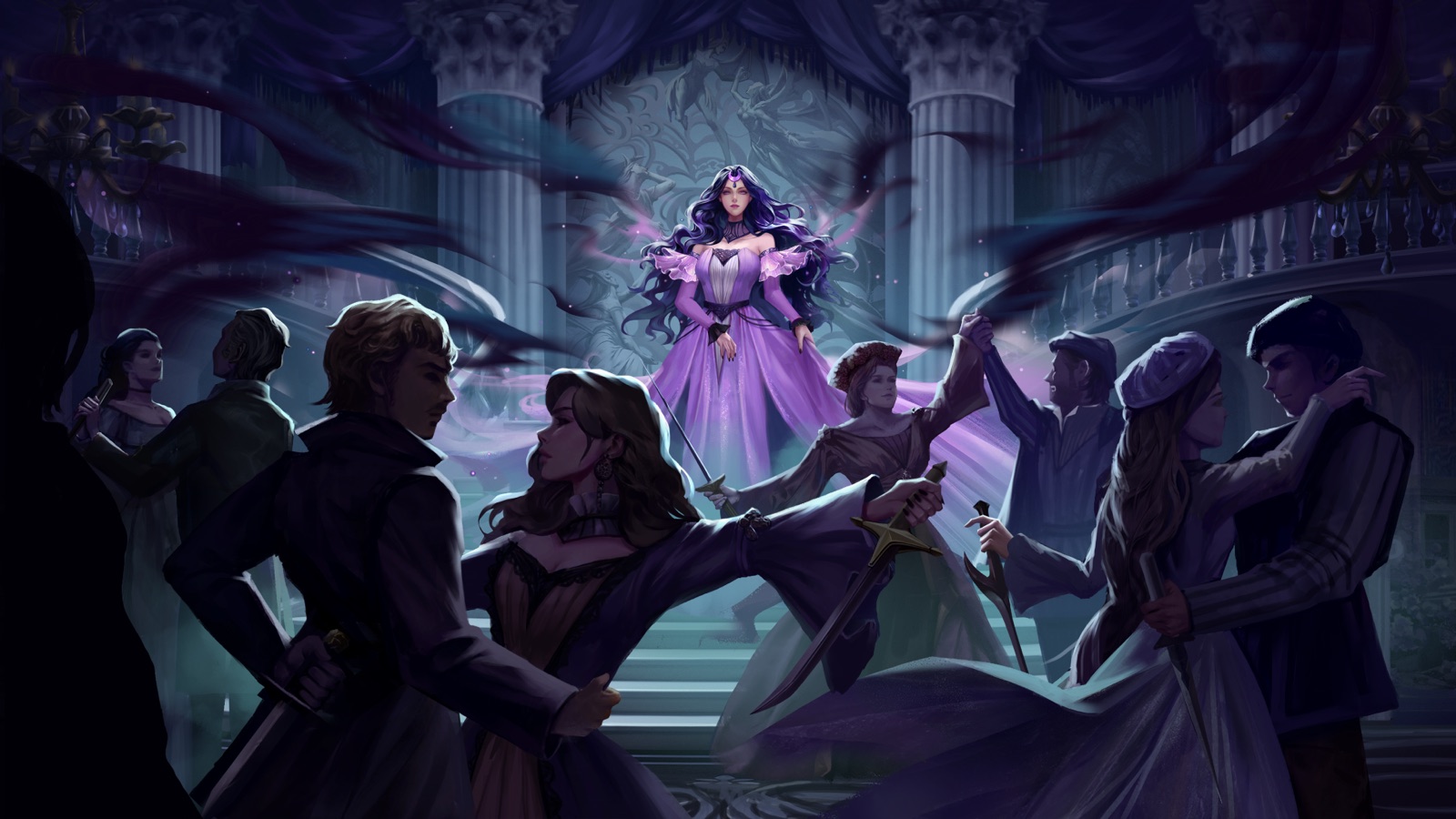
Here is what none of them knew — not Ludia in her cunning, not the six who were newly risen, not even Thaeriel himself.
Something had been speaking to him. Long before the trial began, in the quiet places where even a god is alone with his own certainty, a will older and more patient than his had found the one true thing in him — his hunger for order — and had been feeding it, carefully, past the point where it served anyone. It does not conquer. It does not announce itself. It waits inside the wanting a person already has, and makes that wanting larger than the person who holds it.
Thaeriel was not simply a god who reached for too much. He was a god who was fed exactly what he already wanted, for long enough that he stopped being able to tell the difference between his own conviction and the thing feeding on it.
So when his fall came — and it did come, swiftly, absolutely — it was not the punishment it appeared to be. Elderym itself, the living continent, moved to sever what was trying to break open through him. It was not vengeance. It was the world closing a wound before it could spread.
This is the part of the story that has gone untold until now: the god everyone remembers as a tyrant who reached too far was, underneath that reach, something being used. It does not undo what he did. Six mortals still lost the god they had trusted, and the world still nearly bent to a single will. But it changes what the reaching meant, and what was actually standing behind it, waiting.
The One Who Stood Where He Fell
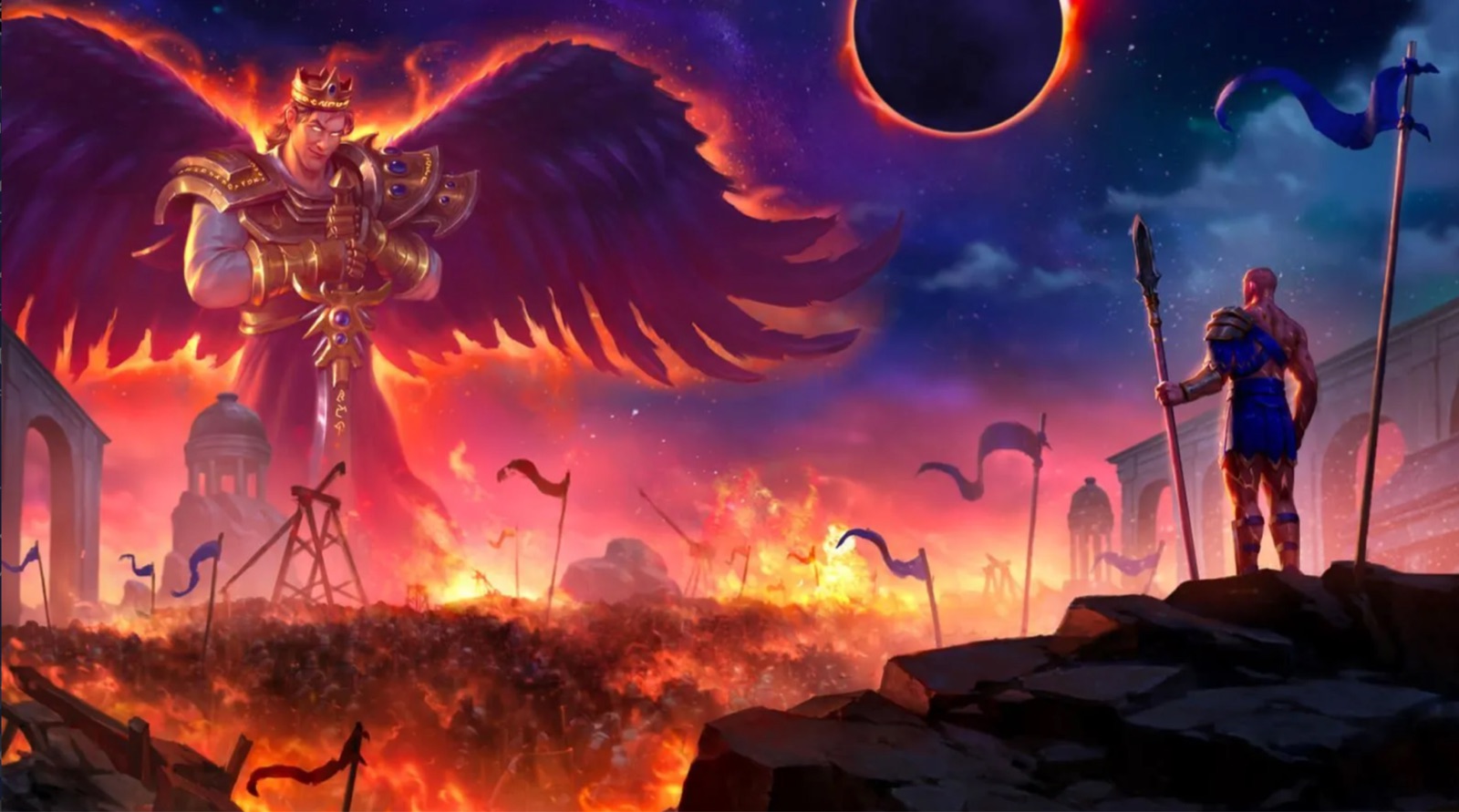
The instrument of that fall was a mortal named Lysander, champion of Light, who stood against Thaeriel in the trial and did not die when he was meant to.
He does not belong at the center of this telling — his is a different story, for a different time — but it should be said plainly what changed the moment he survived: Elderym raised him where Thaeriel had been cast down, and the domain of Light passed from a god who believed in one will imposed from above to a god who had, until recently, been one of the many beneath it. He carries that memory the way only the newly-elevated can: close, and unforgotten. It shapes how he holds the domain even now, though that is a telling for another day.
Thaeriel
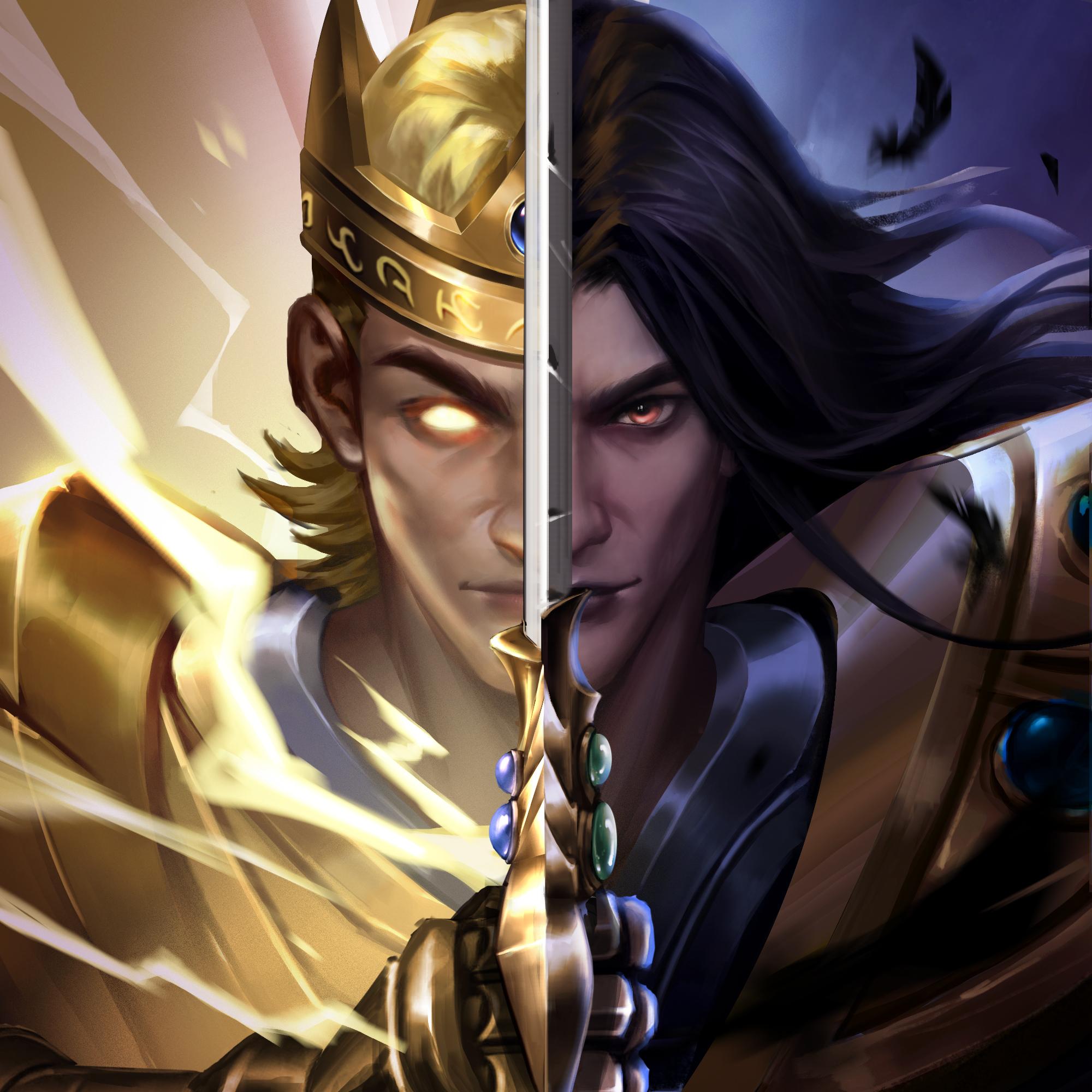
Understand him before, and understand him after, because both are true of the same person.
He was arrogant. He was rigid. And he believed, with the whole of himself, that what he was building would save Eucos rather than break it — that conviction was never manufactured, whatever else was done to it later. When it was taken from him, all of it was taken at once: the power, the authority, the certainty that the world owed him deference. He landed in Faenar with nothing but his mind, his pride, and the shape of the belief that had cost him everything, and for a god whose entire self had been built on order, there is no smaller place to land than powerless, in public, among the people who used to answer to him.
He did not stop. A mortal now, with a god's conviction and nothing to lose. The story of everything that follows begins here.
Argus
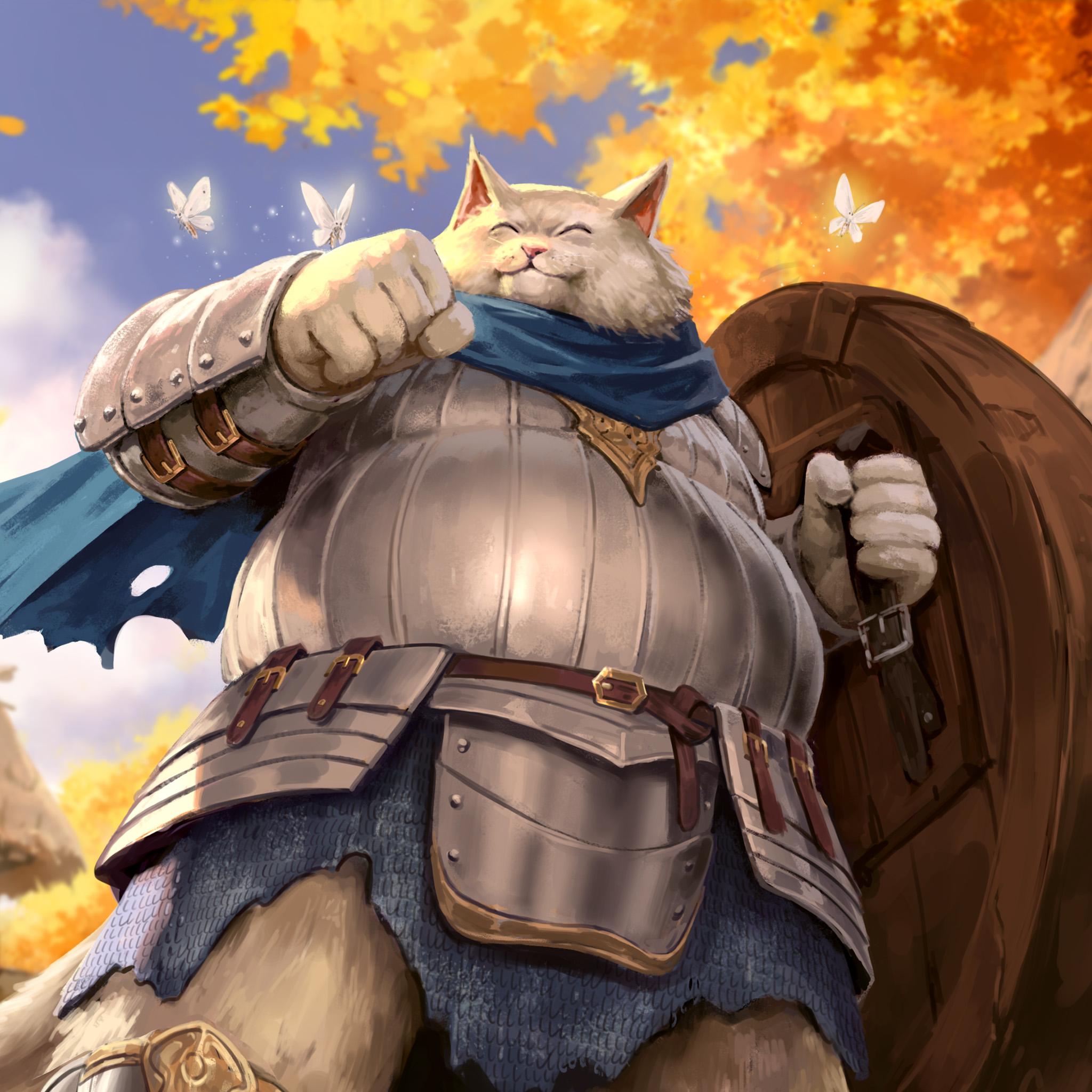
He was the smallest of his litter, born to a family of hunters in Olympia and built, somehow, for the opposite instinct. Where his siblings learned to take, Argus learned to shield, and it took him longer than the rest to grow into anything resembling strength — not through fighting for it, but through the slow, unglamorous work of simply eating well and getting large. When his size finally came, he did not use it to chase anything down. He used it to stand between.
The proof of it is a piece of scrap: the lid of a merchant's barrel, torn free during a night raid and never once exchanged for anything finer, because it was there in the moment that mattered, and that was reason enough to keep it. Long before Olympia knew his name, he had already put himself between a predator and something smaller than himself, expecting nothing for it.
He did not stand among the six who were chosen when the trial ended. That calling comes to him later, in a telling of its own. What matters here is simpler, and comes first: protecting things is what he already was, long before anyone in Olympia thought to ask it of him.
Pallas
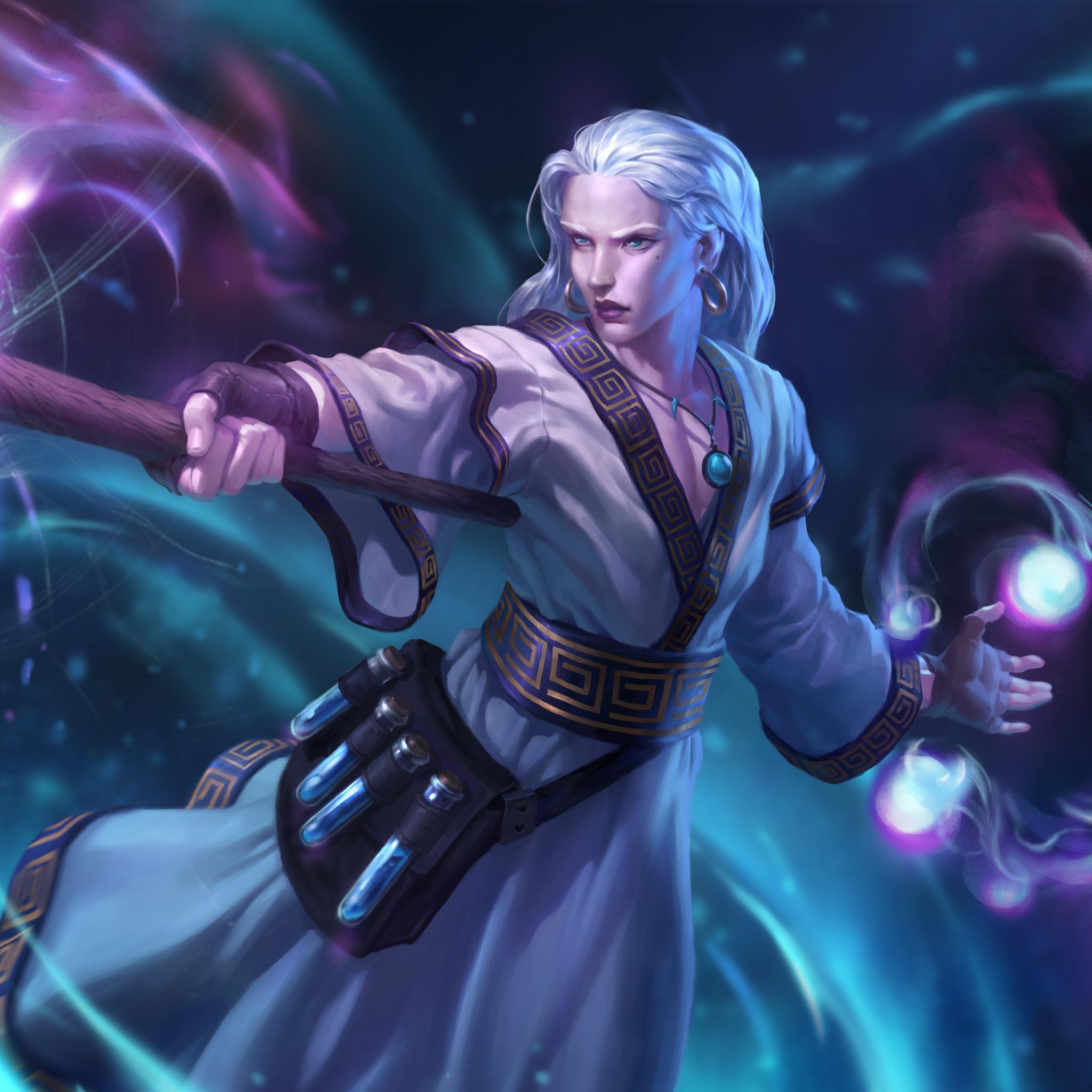
There are minds that move at the speed of a conversation, and there are minds that have already finished the conversation several turns before anyone else has spoken. Pallas belongs to the second kind, and it is not always a comfortable thing to be near — brilliant enough to be trusted completely, and so far ahead of the room that the reasoning rarely arrives in time to be understood before it's needed.
Elyrian is one of the few whose judgment Pallas trusts without translation, because their foreknowledge tends to land in the same place Pallas has already reasoned toward alone. It is a lonely kind of gift. Being right early and being understood are rarely the same reward, and Pallas has made peace with collecting only the first one. Magic chose them for it regardless, because a domain built on knowledge cannot afford to only reward the answers that arrive slowly enough to be explained.
Six
Six domains, and at the end of the trial, six champions — though Light's would not remain one for long.
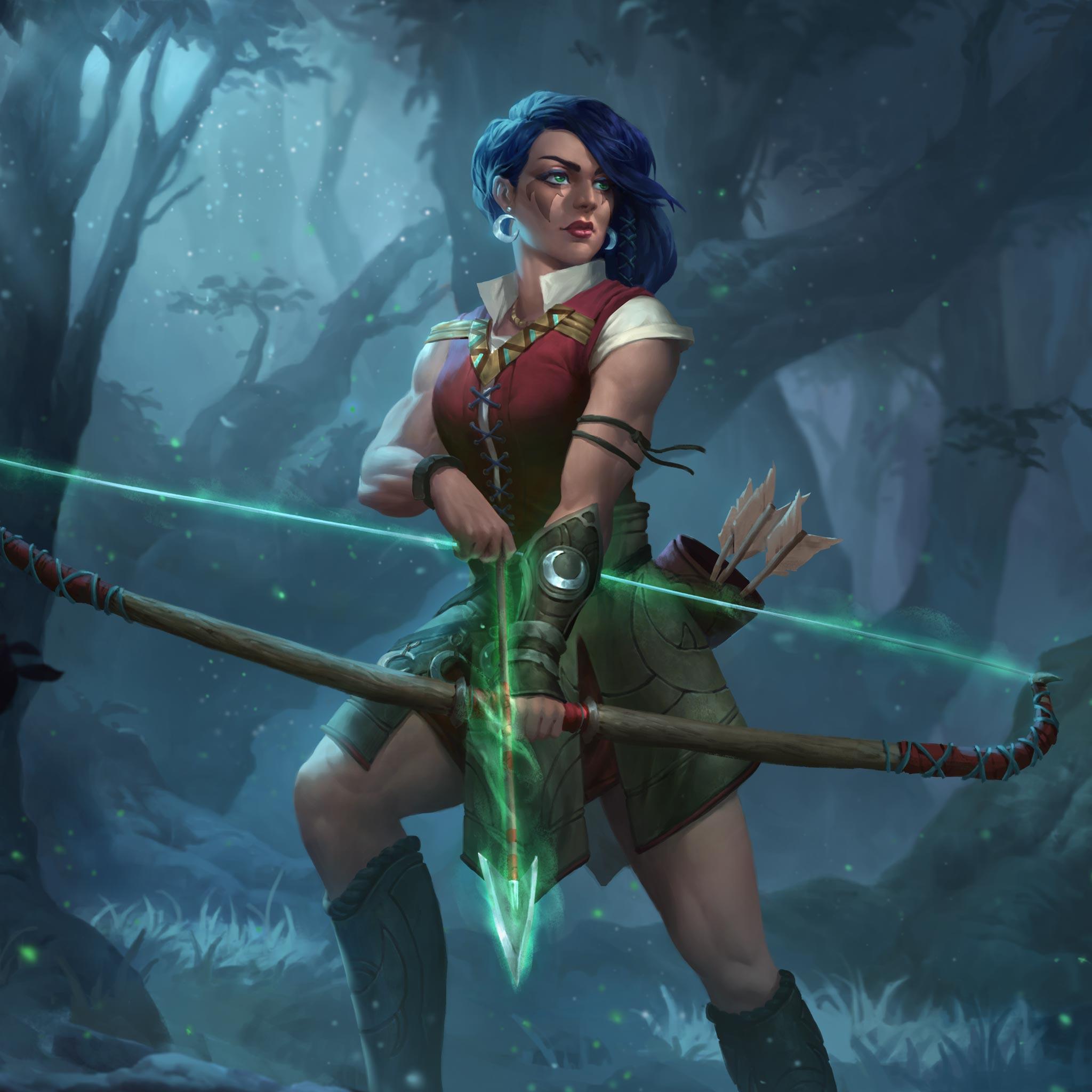
Selena, of Nature, names herself plainly as the frail young boy her peers once saw her as, and claimed her own truth in the same years she claimed her domain's power. She is a moonlight archer, disciplined and unhurried, who understands her role as guardian to mean someone who tends what she protects rather than someone who rules over it.
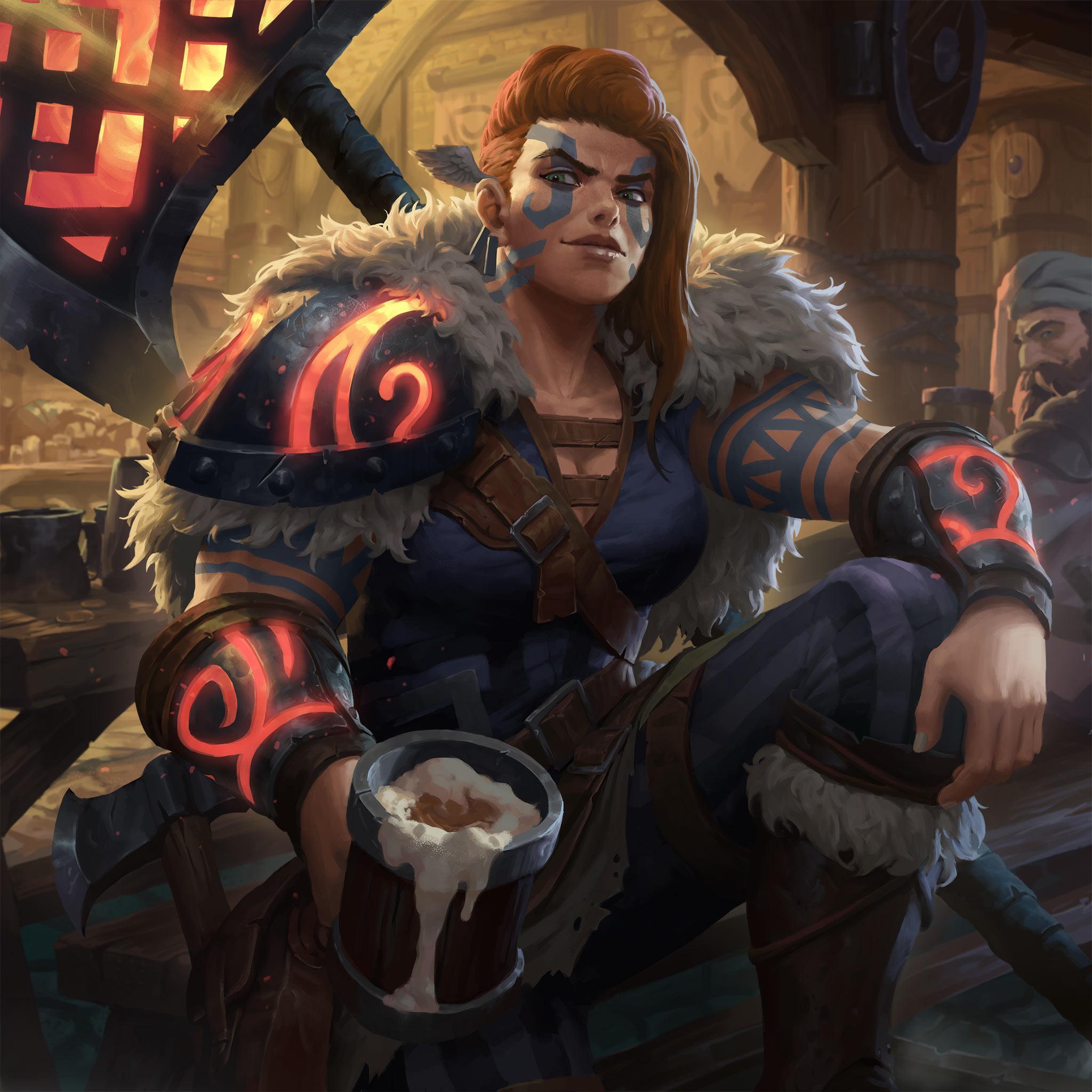
Valka, of War, did not inherit her place at the head of the Valknir — she took it, by dethroning the one who held it falsely — and she is gruff in the way of someone who has never once had to perform a strength she didn't already carry.
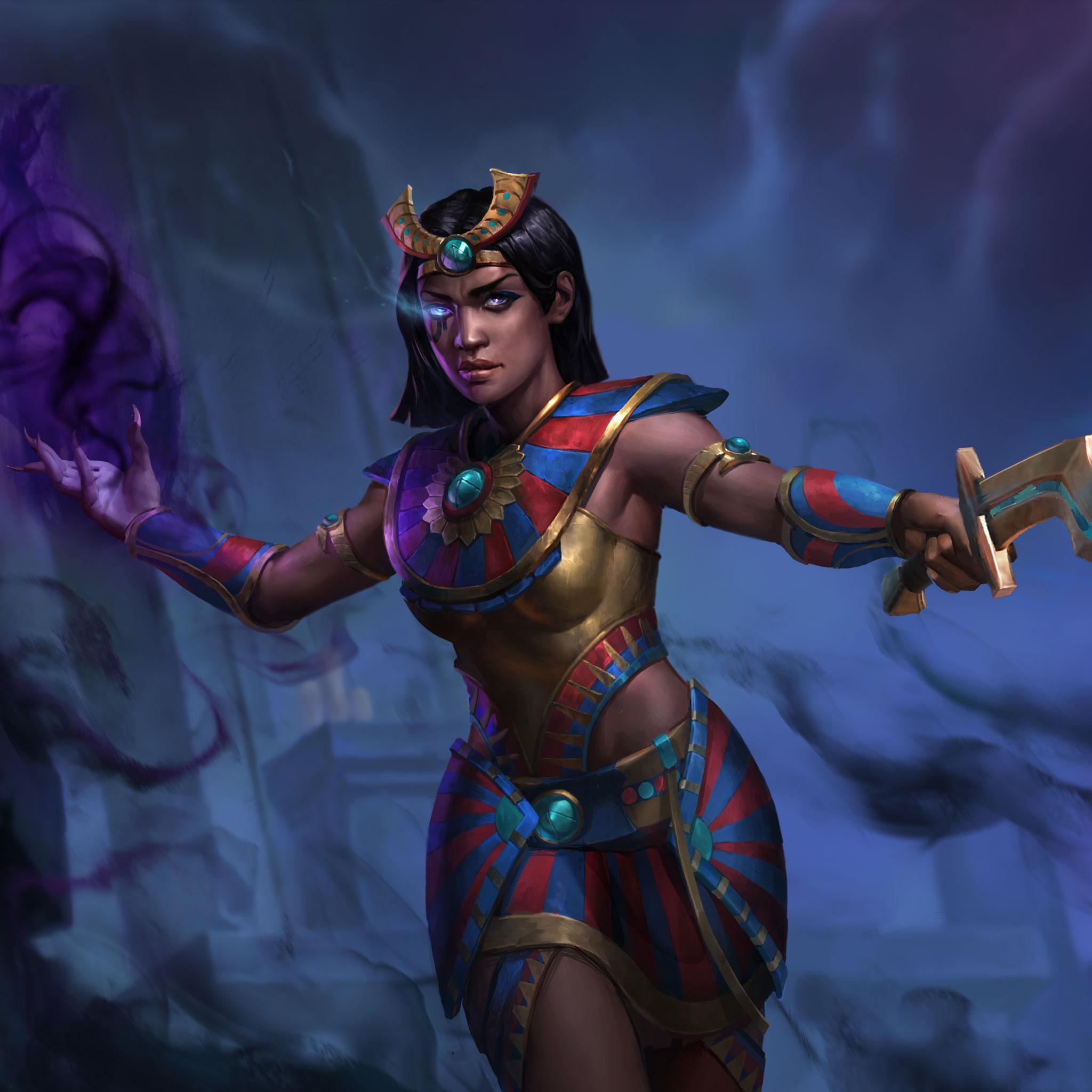
Neferu, of Death, is Pharaoh of Anubia, who died once and returned from that realm sharing her body with an older consciousness that neither of them fully chose — imperious, competitive, and bound together whether they wished it or not.
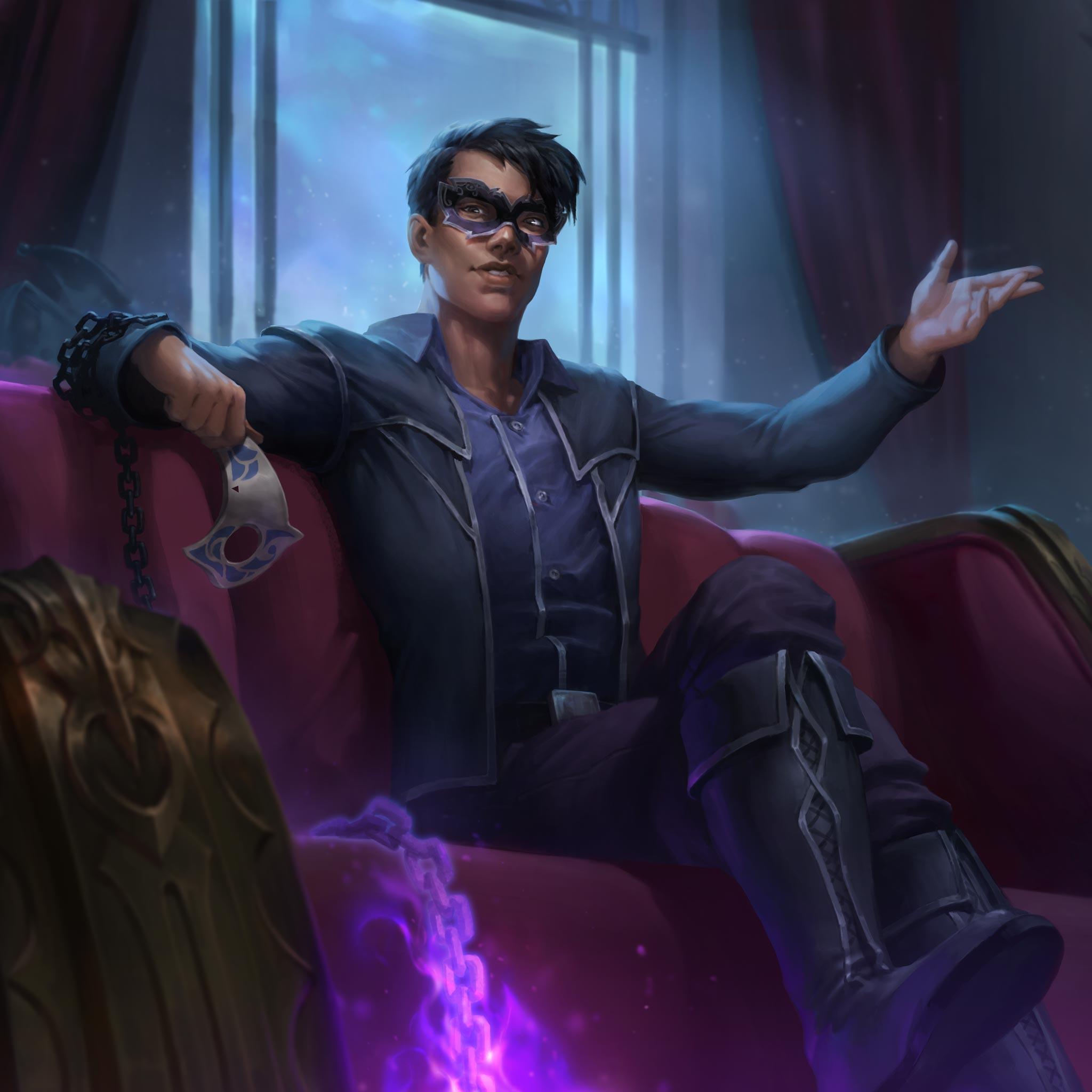
Orfeo, of Deception, is a boy from the streets of Ronella, bound to his god by a chain that another champion's axe eventually broke — in many ways the most human of the six for it, a boy from nowhere standing at the center of something enormous.
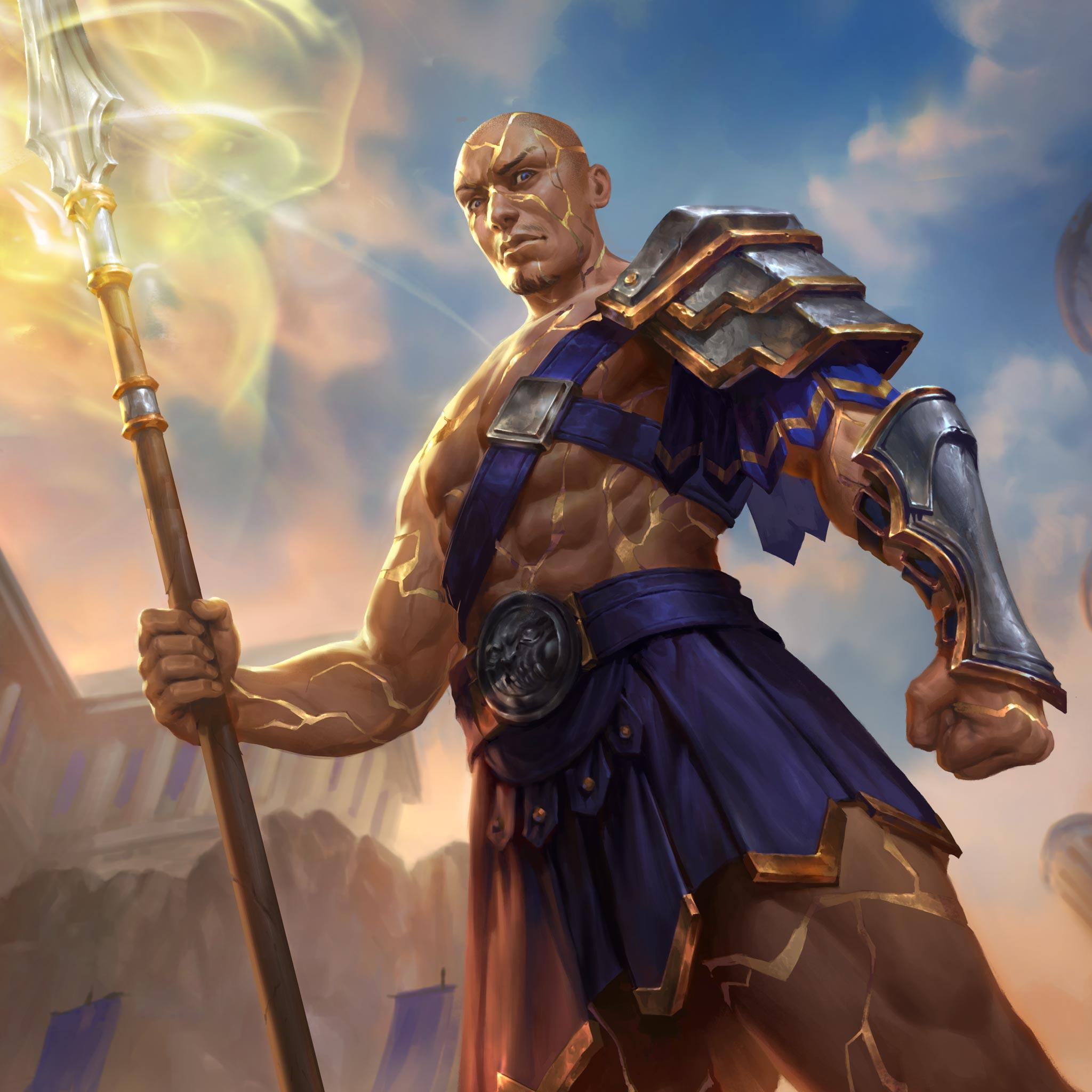
And Light: Light's champion was Lysander, for as long as the word “champion” still fit him. Then it didn't, and the seat he left behind has not been filled in this telling. Whoever comes to hold it will have their own story, told in its own time.
Five lives, remade in a single turning of the world none of them saw coming, and one seat standing empty where a sixth should be. What became of the trial's true architect is only now being told in full.
Discuss the six champions — and what you remember of the trial that made them — on Discord.